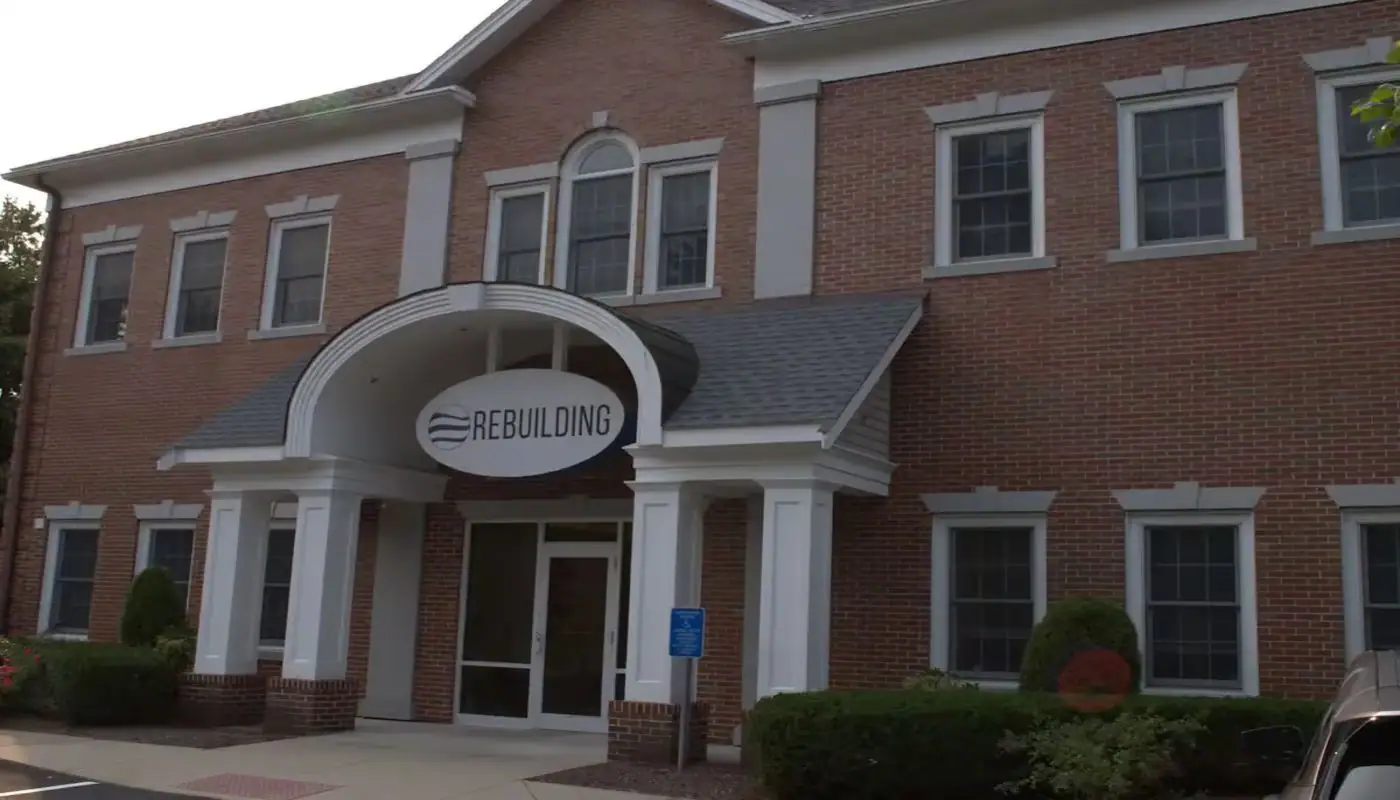
Rebuilding Mental Health South Easton
Rebuilding Mental Health is an outpatient center at 73 Belmont Street in South Easton. The center opened in 2023 and appears in SAMHSA's directory of 326 Massachusetts facilities. It serves adults with substance use and co-occurring disorders.
- Joint Commission
- Co-Occurring Mental Health
- Outpatient
- 90 days
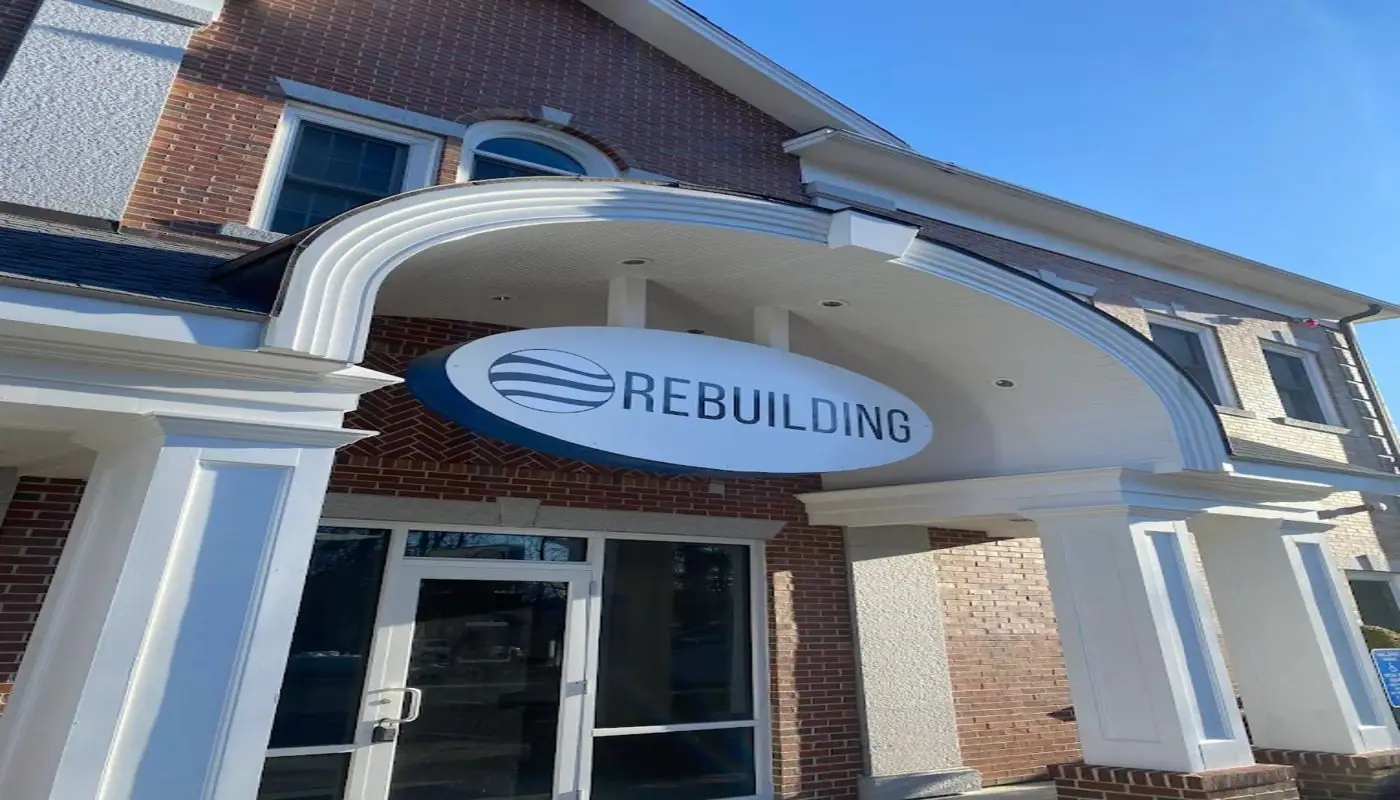
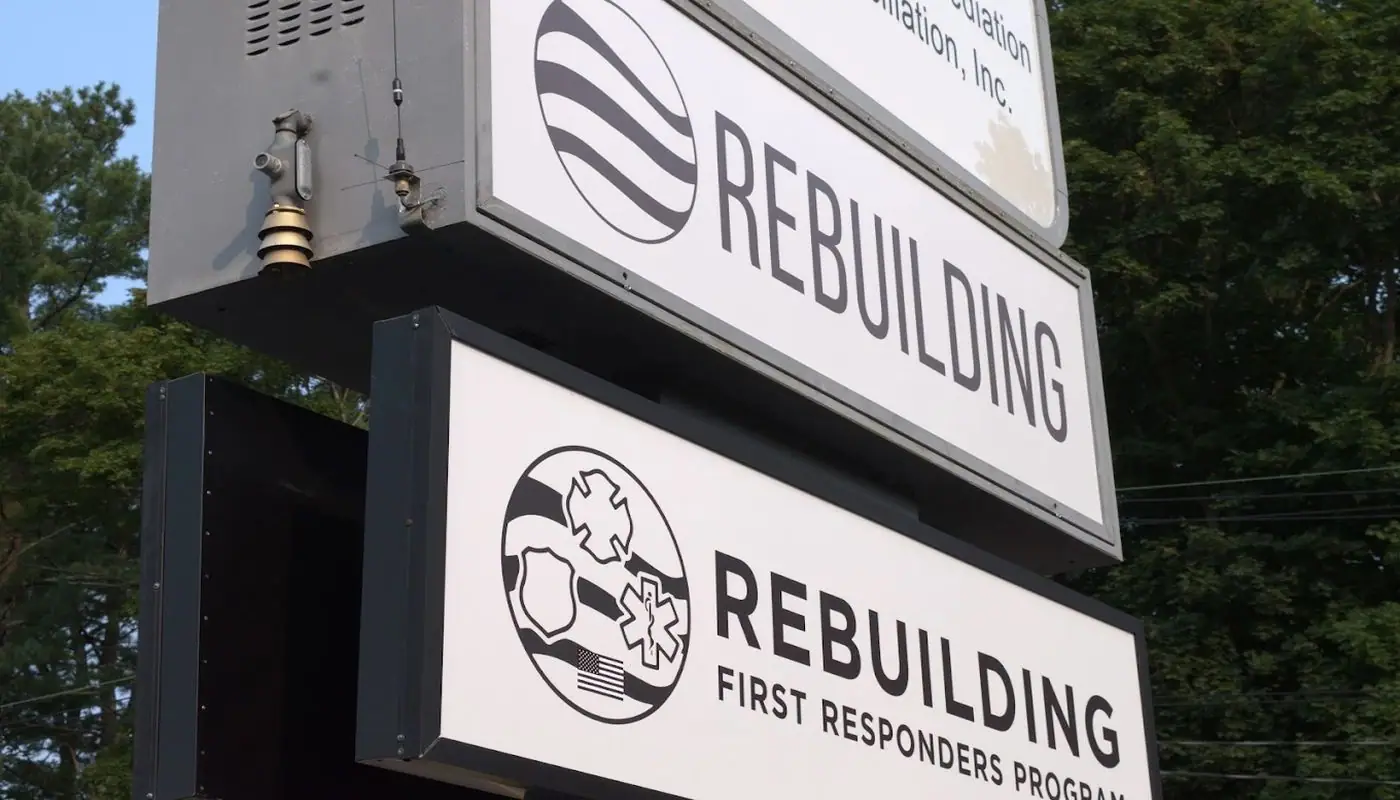
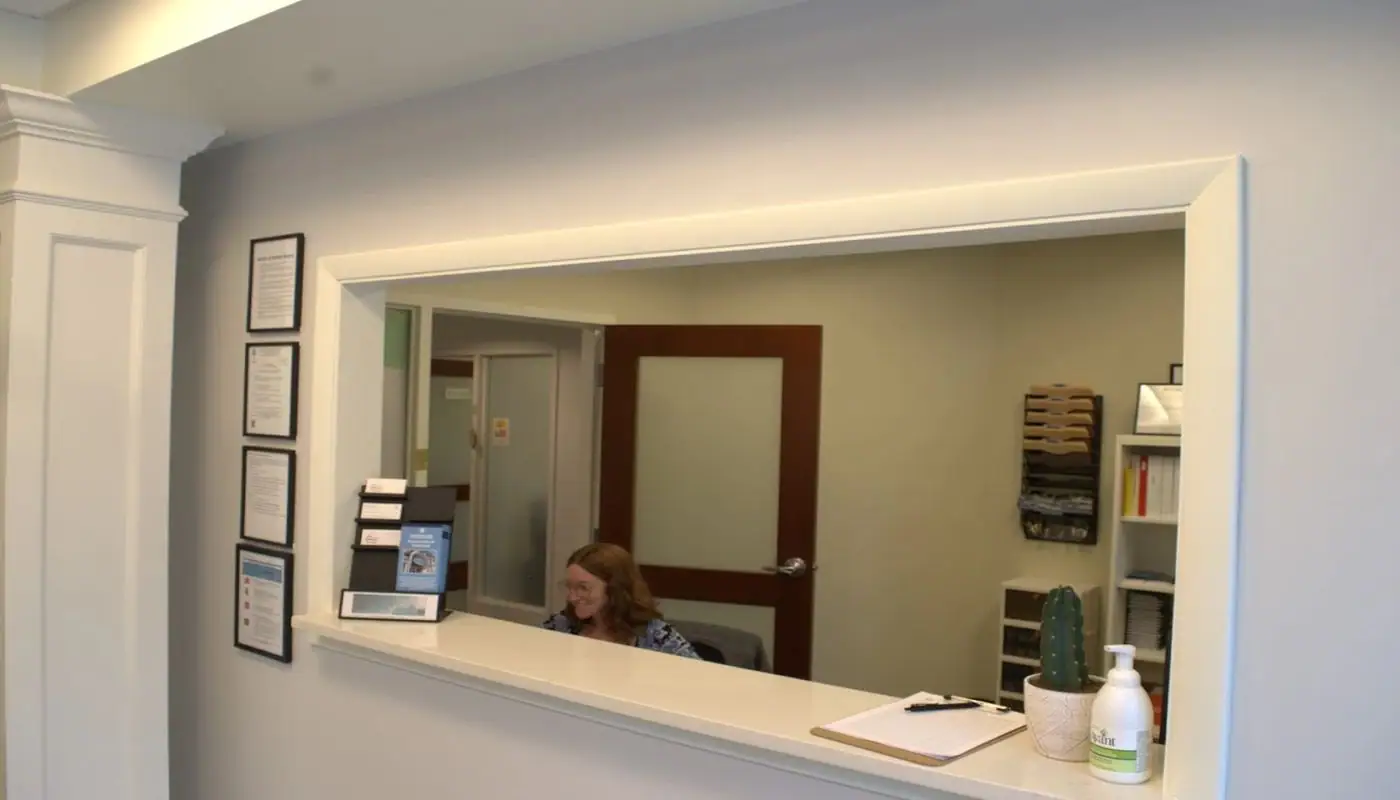
This outpatient clinic sits in South Easton, Massachusetts, just off Route 24. Adults who remain at home and need a schedule that bends around daily life can receive organized mental health care here. The offerings span partial hospitalization, half-day programming, and sessions delivered by telehealth. Day-to-day steadiness is the aim for people dealing with anxiety, depression, trauma, OCD, or ADHD.
Care is designed for people whose mental health and substance use need attention at the same time. Staff use psychiatric evaluations to shape each person's plan, then match therapies and supports to individual needs. The approach combines evidence-based methods with holistic practices and trauma-informed care. Family involvement and life-skills coaching help progress in therapy carry into daily routines at home and work.
If you are searching for rebuilding mental health south easton, this page simply describes what is listed about the center and makes no promises about outcomes. You can call to check benefits and space, but it does not provide treatment.
Programs at our South Easton site
This center provides outpatient care, including co-occurring mental health treatment for adults. The program is structured to fit around home life, with partial hospitalization and half-day options available. Telehealth is also offered. People with alcohol use concerns can receive care for co-occurring conditions in an outpatient setting, though this center does not list inpatient detox or residential rehab among its services.
Therapy options include cognitive behavioral therapy one-on-one counseling, family therapy, group therapy, art therapy, narrative therapy, psychoeducation, trauma-specific therapy, and meditation and mindfulness. The program calls itself evidence-based, holistic, personalized, and trauma-informed. For someone with alcohol use disorder, these approaches can support ongoing recovery alongside mental health treatment. If alcohol or benzodiazepine detox requires medical supervision, this outpatient center is not the appropriate level of care, and a clinician should help you locate one. When comparing outpatient rehabs in Massachusetts, ask how the 90-day plan is structured and what a typical week looks like.
- Evidence-Based
- Meditation & Mindfulness
- Family Therapy
- Group Therapy
- Holistic
- Trauma Informed
- Art Therapy
- Trauma-Specific Therapy
- Cognitive Behavioral Therapy
- Personalized Treatment
Which people this program suits
- Adults of any gender, men and women included, who are dealing with mental health conditions.
- People managing anxiety, depression, bipolar disorder, ADHD, PTSD, grief and loss, stress, or trauma.
- People with co-occurring substance use and mental health concerns, alcohol and drug use included.
- Those who need outpatient care rather than 24-hour supervision or medical detox.
- People looking for a structured program that includes family involvement and life-skills support.
Location, stay length, and features
The typical program length is 90 days, according to the center's listed information. Services are provided on an outpatient basis, so participants do not stay overnight. The center is located in South Easton, Massachusetts, with English as the listed language. Amenities include air-conditioned rooms and permission to use cell phones. Yoga is among the activities offered. When you are comparing outpatient rehabs in Massachusetts, then ask how the 90-day plan is structured and what a typical week looks like.
Payment and insurance in South Easton
Self-pay pricing is offered as a payment option. The information available does not specify insurance details. Before committing to anything, confirm coverage directly with the center if you are planning to use insurance. The helpline can explain what a call may involve but cannot promise admission or coverage. When you call the helpline, you speak with a trained advisor who can connect you to licensed providers and help you ask about payment options. The call costs nothing and stays private.
Questions for admission you may want
- In the 90-day outpatient program, what does a typical week involve?
- How is care coordinated when mental health and substance use conditions occur together?
- What insurance plans do you take, and what are your cash pay rates?
- How is family therapy scheduled, and what is expected of family members?
- What if I require a higher level of treatment, like residential treatment or detox?
Other centers for comparison
-
Lowell, MA
Riverbend Zack's House
4.5/561 Google reviews
- Sober Living
- Co-Occurring Mental Health
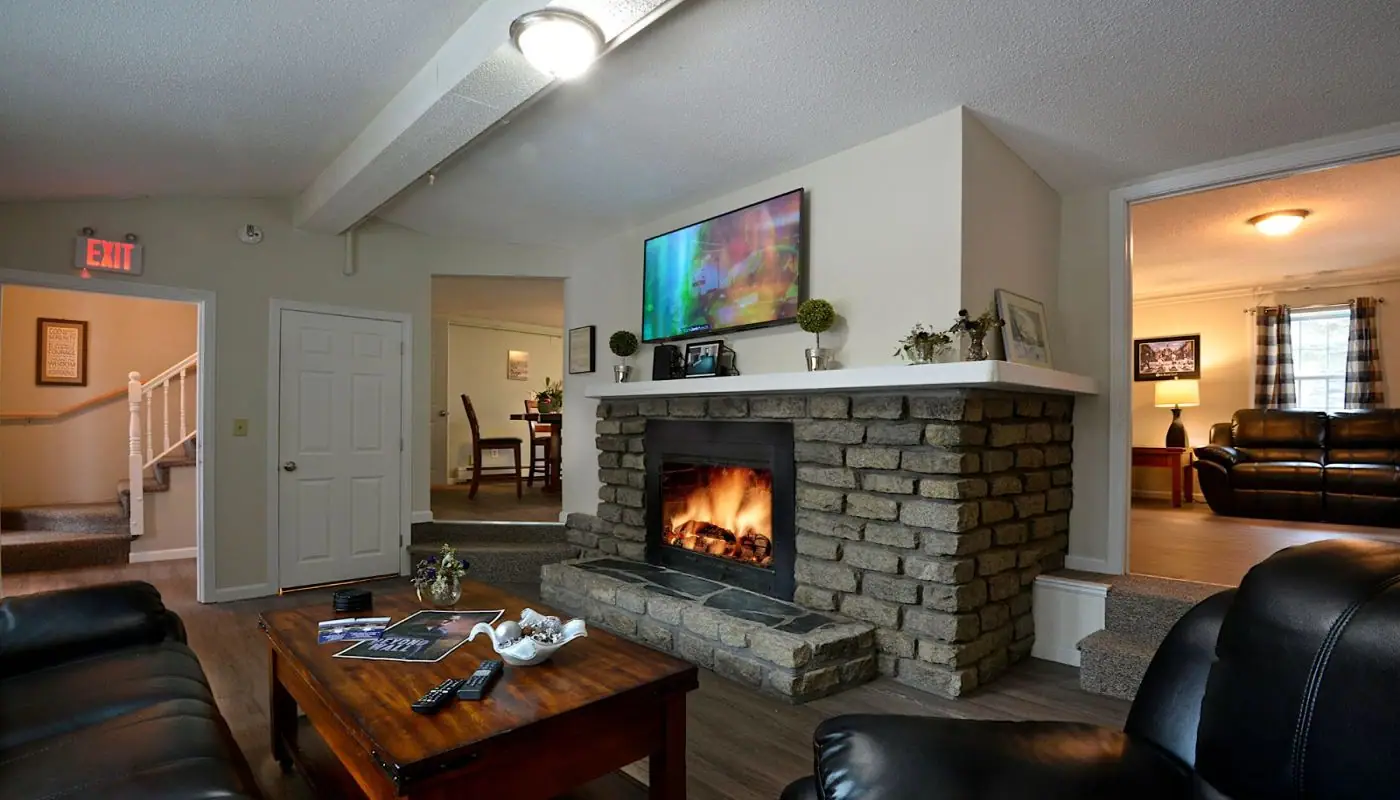
Riverbend Zack's House Lowell is sober living for men ages 18 to 35 in Massachusetts.
- 30 days program
- 6-15 beds
-
Watertown, MA
Wayfinder Behavioral Health
- Co-Occurring Mental Health
- Outpatient
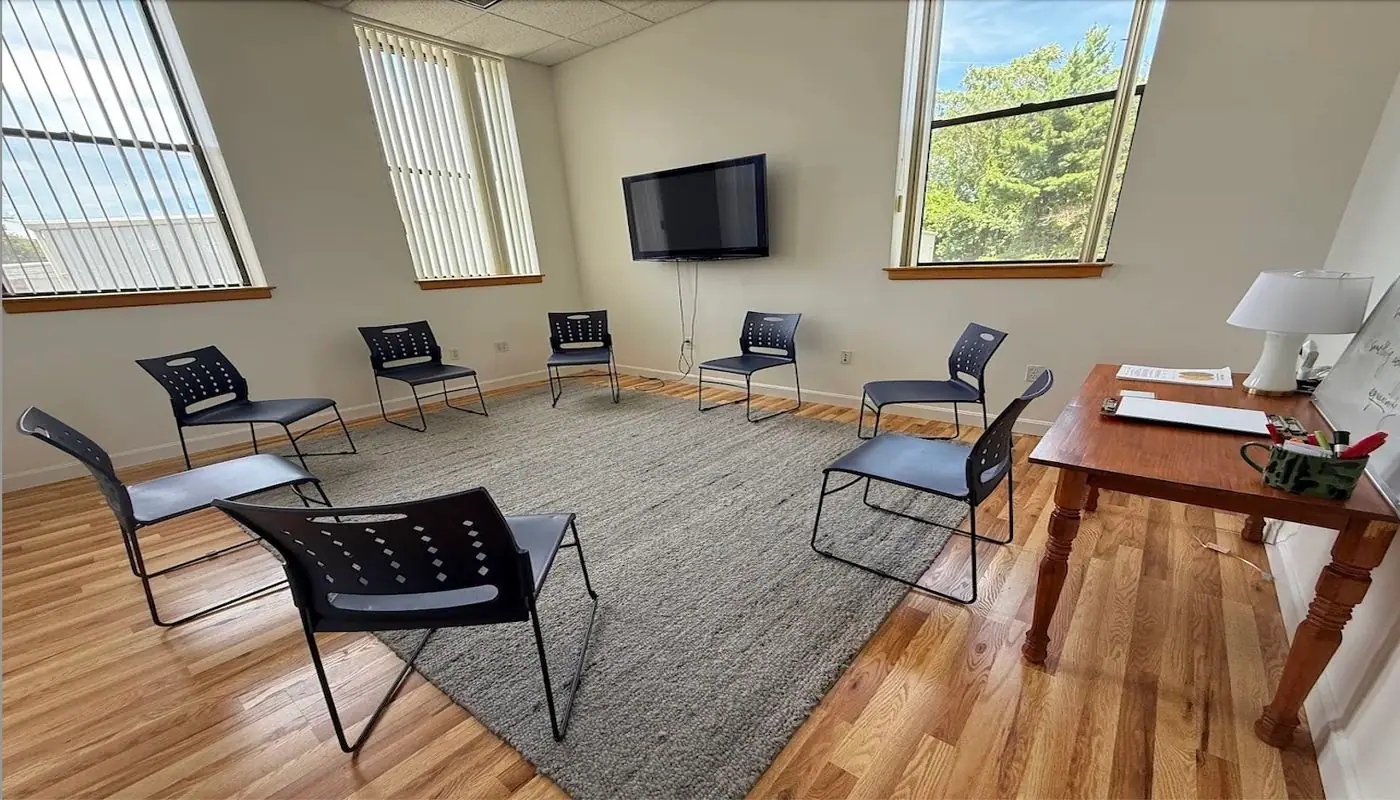
Wayfinder Behavioral Health Watertown is an outpatient center at 440 Arsenal St.
- Joint Commission
- 30 days program
-
Concord, MA
Pyramid Boston Metro Detox and
2.4/511 Google reviews
- Detox
- Co-Occurring Mental Health
- Residential Rehab
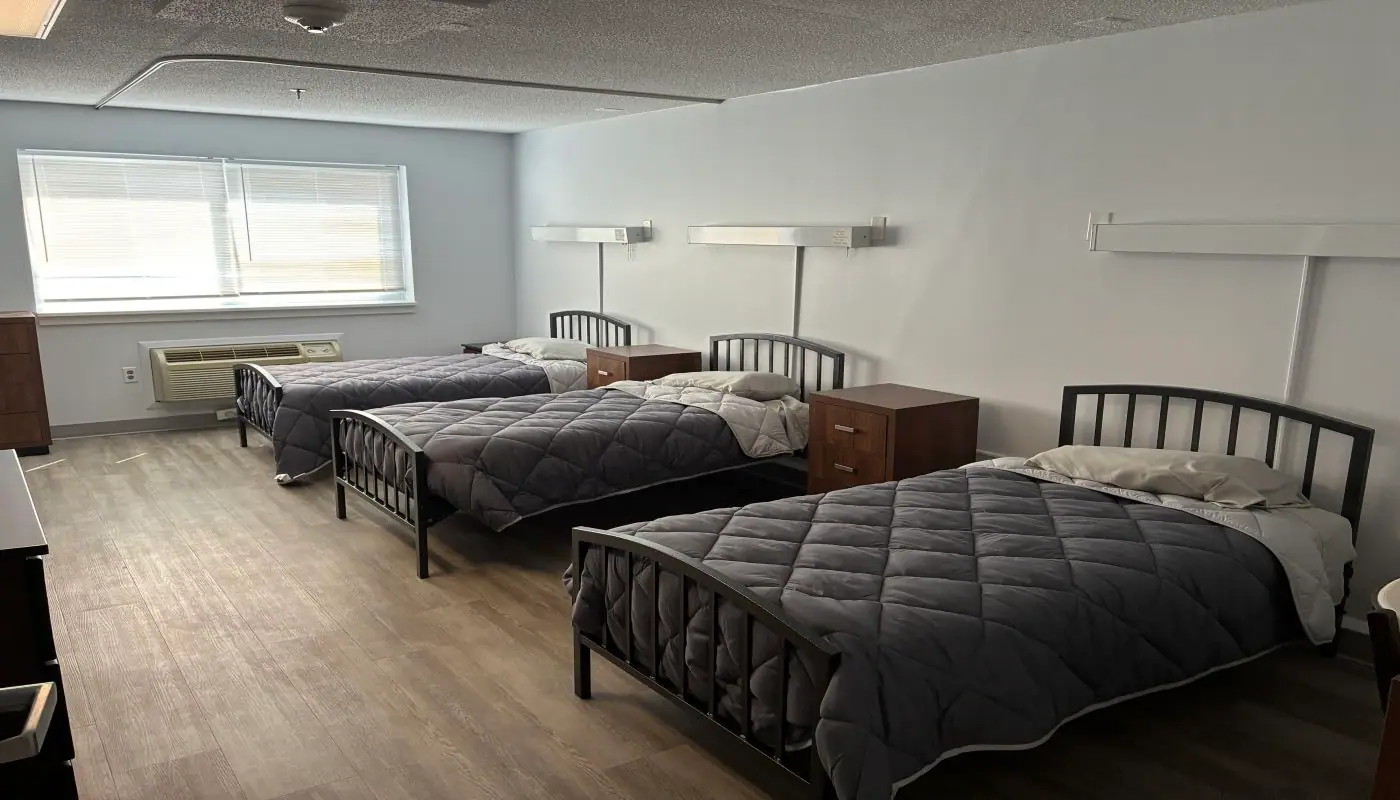
Pyramid Boston Metro Detox and Residential serves adults needing withdrawal support and residential care.
- 90 days program
-
Medford, MA
Monte Nido Laurel Hill
4.1/517 Google reviews
- Residential Rehab
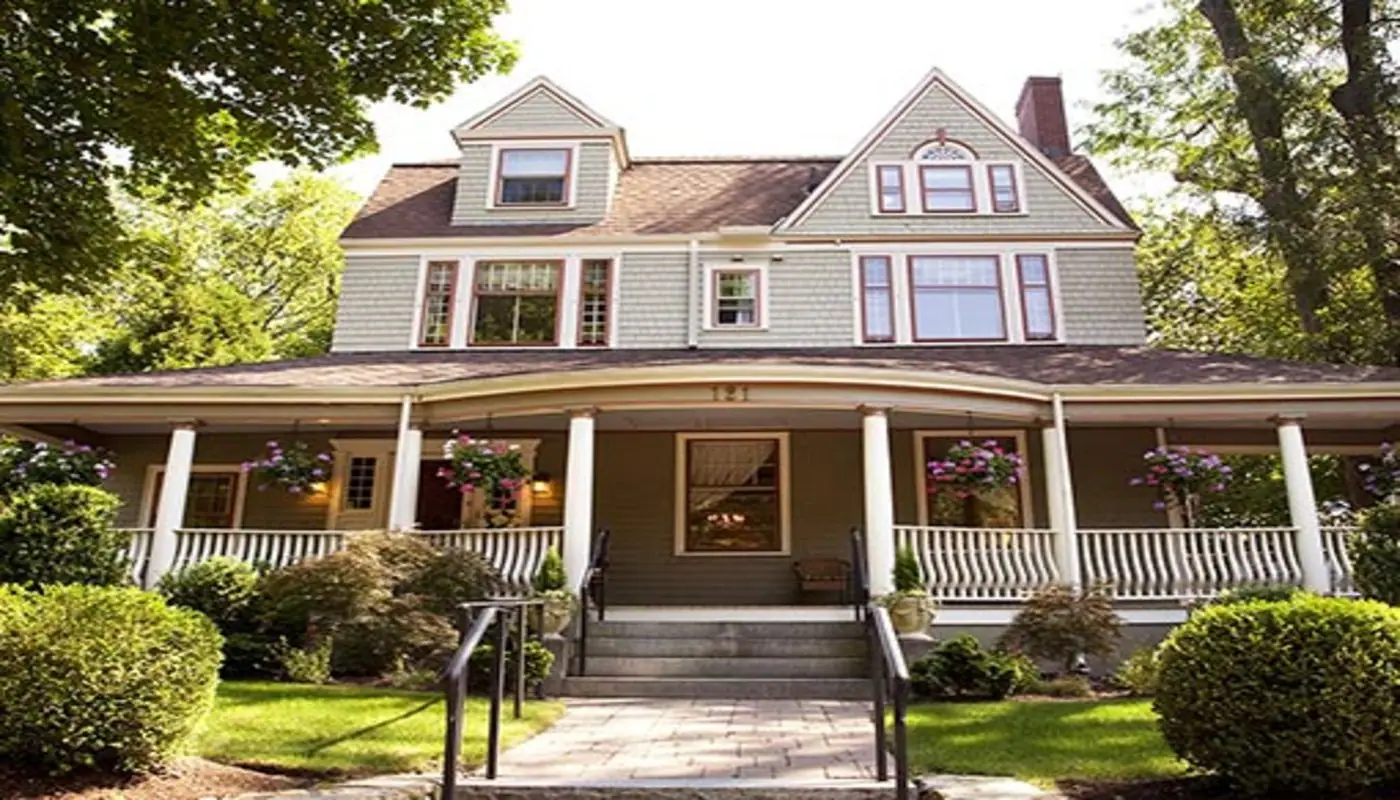
Residential treatment at Monte Nido Laurel Hill Medford serves women with eating disorders alongside co-occurring substance use and mental health conditions.
- Joint Commission
- 7+ days program
- 6-15 beds
-
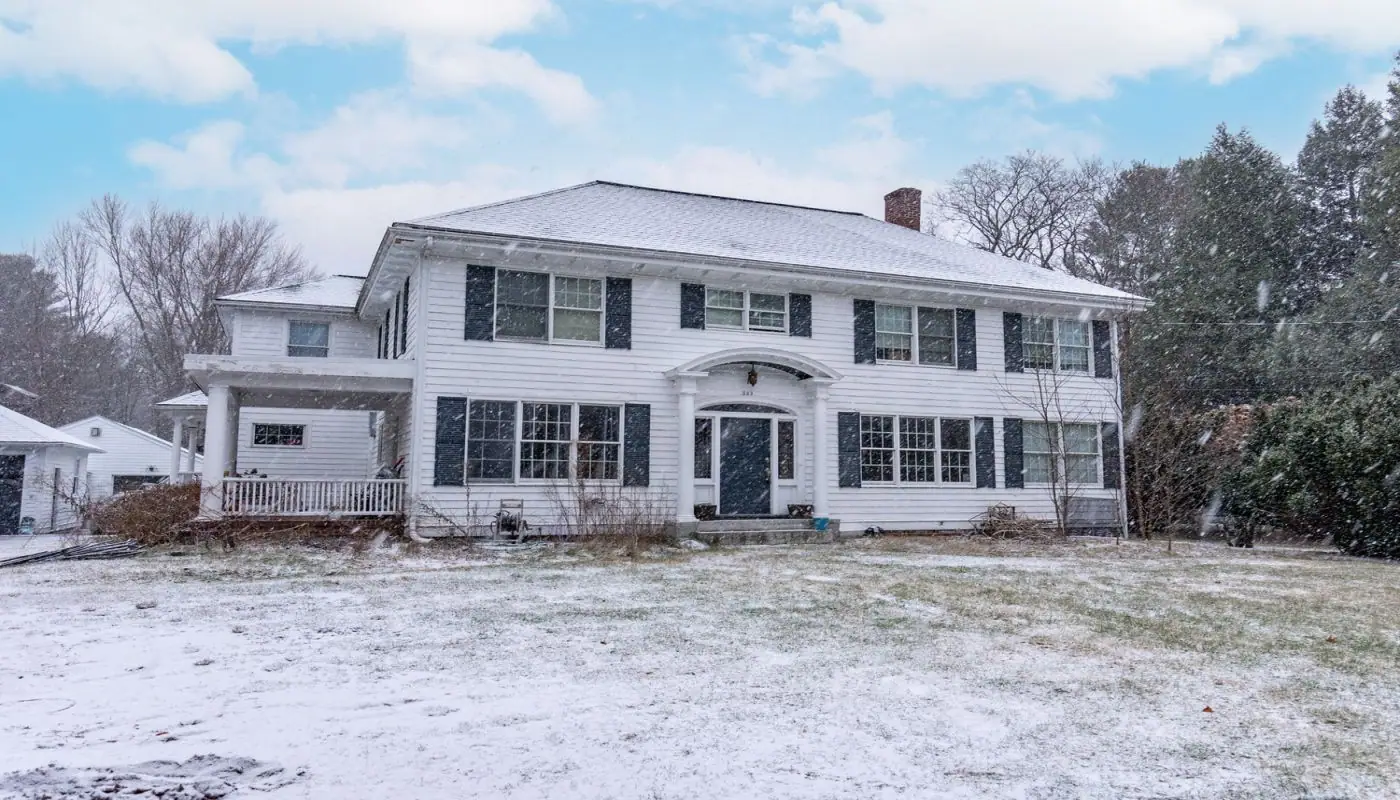
Waltham, MA
Evoke Wellness Waltham
4.7/545 Google reviews
- Outpatient
Evoke Wellness Waltham is an outpatient center on Main Street.
- Joint Commission
- 45 days program
- 16-30 beds
-
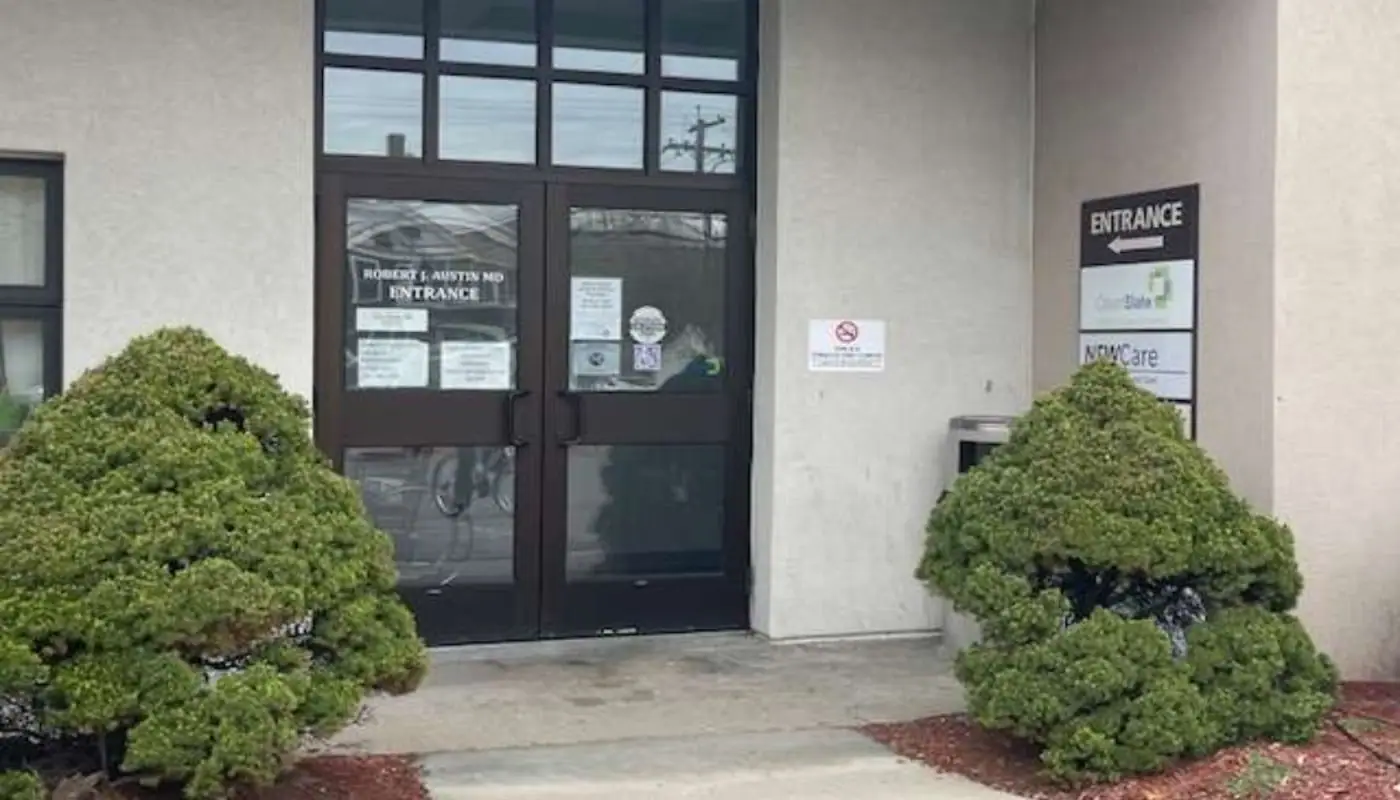
Athol, MA
CleanSlate Centers Athol
4.2/519 Google reviews
- Outpatient
Cleanslate Centers Athol provides outpatient treatment for alcohol and opioid use disorders.
- 30+ days program

Good to know
What is rebuilding mental health south easton?
Rebuilding Mental Health South Easton is a center for outpatient mental health and co-occurring substance use treatment, located at 73 Belmont Street in South Easton, MA. It opened in 2023 and appears in SAMHSA's FindTreatment.gov directory. Partial hospitalization, half-day programming, and telehealth are offered, and a typical program lasts 90 days. It serves adults dealing with conditions such as anxiety, depression, trauma, and ADHD.
Does Rebuilding Mental Health offer detox or inpatient rehab?
The services the center lists cover treatment for co-occurring disorders and outpatient care, and nothing beyond that. Detox and residential rehab are not among the care options it lists. Coming off alcohol or benzodiazepines calls for medical oversight, so a clinician should evaluate whether you need a higher level of care the helpline can help you to to locate licensed providers that offer detox or inpatient services.
Does MassHealth cover treatment at this center?
The center's listed payment option is cash pay rates. MassHealth coverage is not specified in the available information. You would need to ask the center directly about MassHealth or other insurance. The helpline can connect you with providers and help you prepare questions about coverage, but it cannot guarantee that any plan will pay for care.
How long is the program at Rebuilding Mental Health?
As the center lists it, a typical program runs 90 days. Because care is outpatient, you attend sessions while living at home. Actual length may vary with your needs and progress. If your situation changes and you need more intensive support, ask the center how they coordinate a referral to a higher level of care.
Is Rebuilding Mental Health accredited?
According to the center's own listing, yes, the Joint Commission accredits it. Accreditation signals that a program meets particular standards for quality and safety. For specifics on its accreditation and how that affects your care, ask the center directly. When you check a program's accreditation, the helpline can help you determine what questions to ask.
Ways the helpline can help
Through the helpline, talking with a trained advisor is free and private, and that advisor can connect you with licensed treatment providers. No treatment is provided by the helpline, and no diagnoses are made. On the phone, you can ask about openings at Rebuilding Mental Health or elsewhere and get help knowing what insurance questions to ask. Nothing pushes you to commit. Calling costs nothing and remains private.