Massachusetts alcohol rehab listings
This guide shows what Massachusetts alcohol rehab looks like in practice. It draws on 326 SAMHSA-listed facilities, updated for 2026. Compare levels of care, payment options and helpline details.
- facilities listed
- 326
- detox available
- 53
- Medicaid accepted
- 304
Overdose data and alcohol rehab
For the 12 months ending May 2026, the CDC reports 1,308 provisional overdose deaths in Massachusetts, which is 7 percent below the 1,404 of the prior period. Opioid deaths fell to 931, a 17 percent decline, and fentanyl deaths fell to 823, down 19 percent. Cocaine deaths rose slightly to 773, a 3 percent increase. These figures count overdose deaths broadly and do not single out alcohol, yet they show how often substances are combined.
Statewide, 1,308 overdose deaths were reported in the year ending May 2026, per CDC provisional counts. Alcohol is often present alongside opioids, stimulants or benzodiazepines, and combining them raises risk. Might need medical supervision coming off benzodiazepines or alcohol so a medical team should oversee detox. If someone drinks heavily and also uses other substances, a program that screens for both is a safer starting point, and the helpline can point toward facilities that do.
| Drug | Past year | Prior year | Shift |
|---|---|---|---|
| Total drug overdose deaths | 1,308 | 1,404 | -7% |
| Opioids (all types) | 931 | 1,120 | -17% |
| Fentanyl and synthetic opioids | 823 | 1,020 | -19% |
| Heroin | 40 | 50 | -20% |
| Opioid painkillers | 86 | 106 | -19% |
| Meth (stimulant) | 146 | 161 | -9% |
| Cocaine | 773 | 749 | +3% |

Alcohol use disorder medications
Massachusetts alcohol rehab programs treat alcohol use disorder as a medical condition, and medication is more available than many people expect: 207 facilities report offering medications for alcohol use disorder. Three medicines come up most often in guidance from SAMHSA and other public health sources: naltrexone, acamprosate and disulfiram. The listings show 223 facilities offering naltrexone and 227 offering buprenorphine, the latter mostly for opioid use disorder. Anyone weighing medication should discuss it with a clinician who knows their health history.
Alcohol detox in Massachusetts calls for medical oversight, because withdrawal can be dangerous. MedlinePlus notes that symptoms may begin within hours of the last drink, and long-term heavy drinking raises the risk of severe reactions, including seizures. That is why the 53 detox facilities in the listings matter: staff can monitor someone through the first days. No one should try to manage heavy withdrawal alone at home, and this guide offers no tapering or dosing advice. What is safe is a clinician's call.
- alcohol detox available
- 43
- alcohol use medication prescribed
- 207
- intensive outpatient program
- 79
Frequently viewed centers near Massachusetts
-
Lowell, MA
Riverbend Zack's House
4.5/561 Google reviews
- Sober Living
- Co-Occurring Mental Health
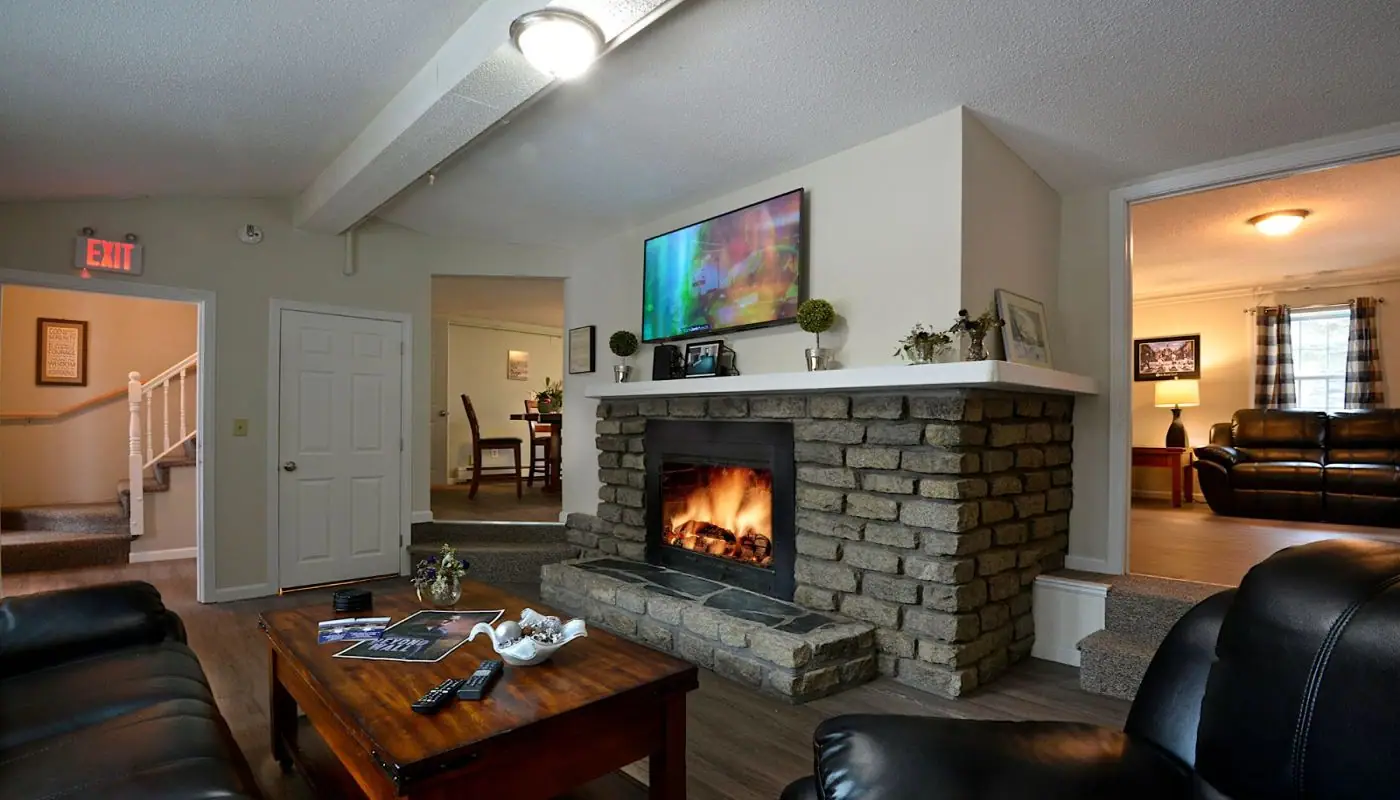
Riverbend Zack's House Lowell is sober living for men ages 18 to 35 in Massachusetts.
- 30 days program
- 6-15 beds
-
Watertown, MA
Wayfinder Behavioral Health
- Co-Occurring Mental Health
- Outpatient
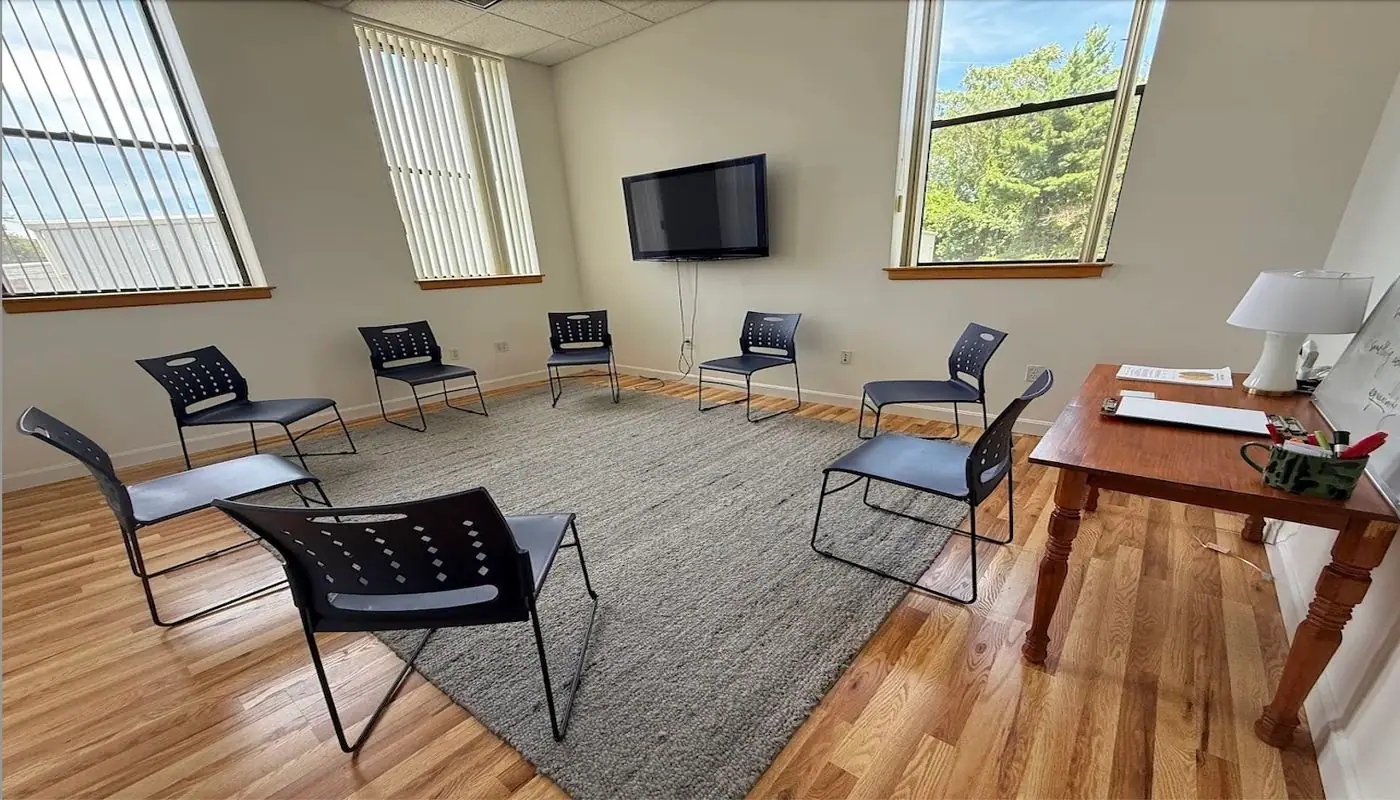
Wayfinder Behavioral Health Watertown is an outpatient center at 440 Arsenal St.
- Joint Commission
- 30 days program
-
Concord, MA
Pyramid Boston Metro Detox and
2.4/511 Google reviews
- Detox
- Co-Occurring Mental Health
- Residential Rehab
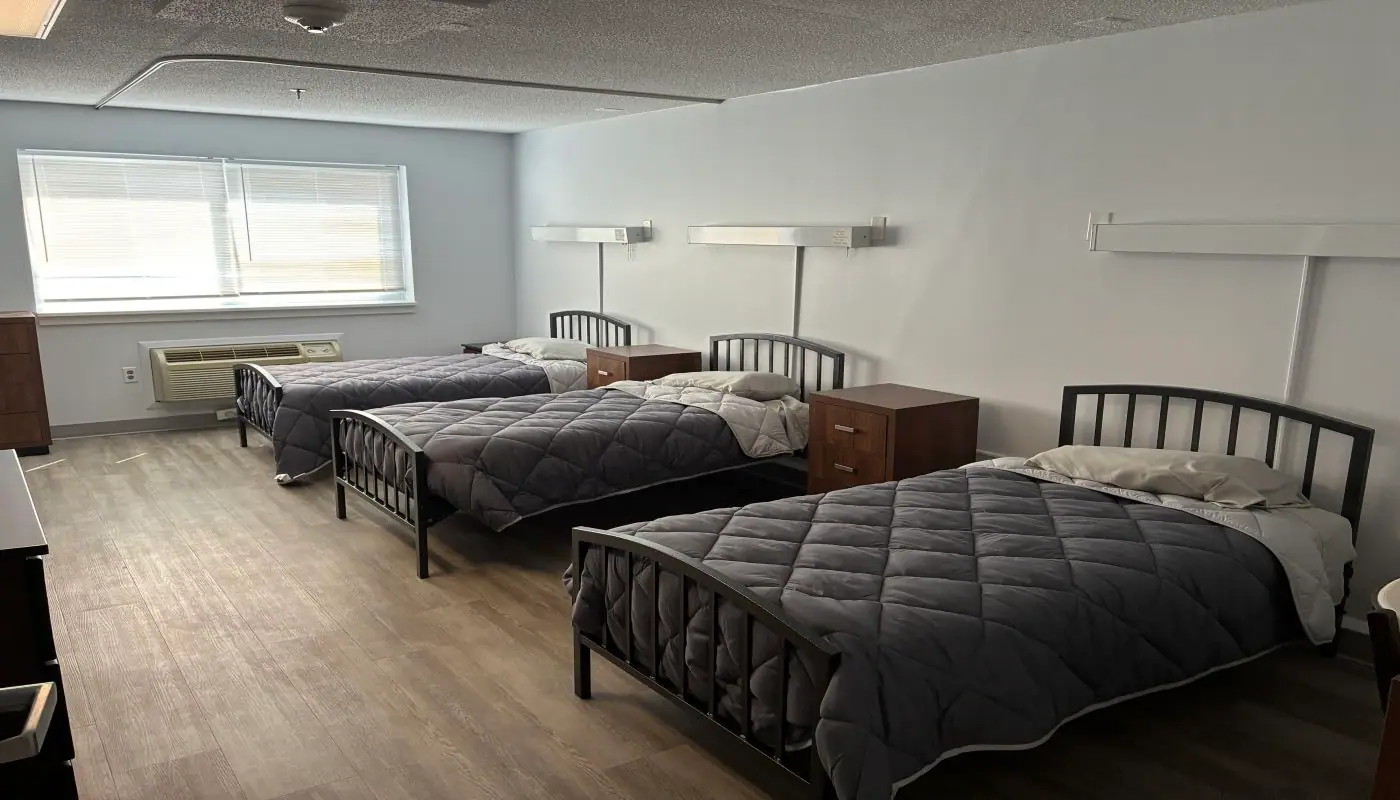
Pyramid Boston Metro Detox and Residential serves adults needing withdrawal support and residential care.
- 90 days program
-
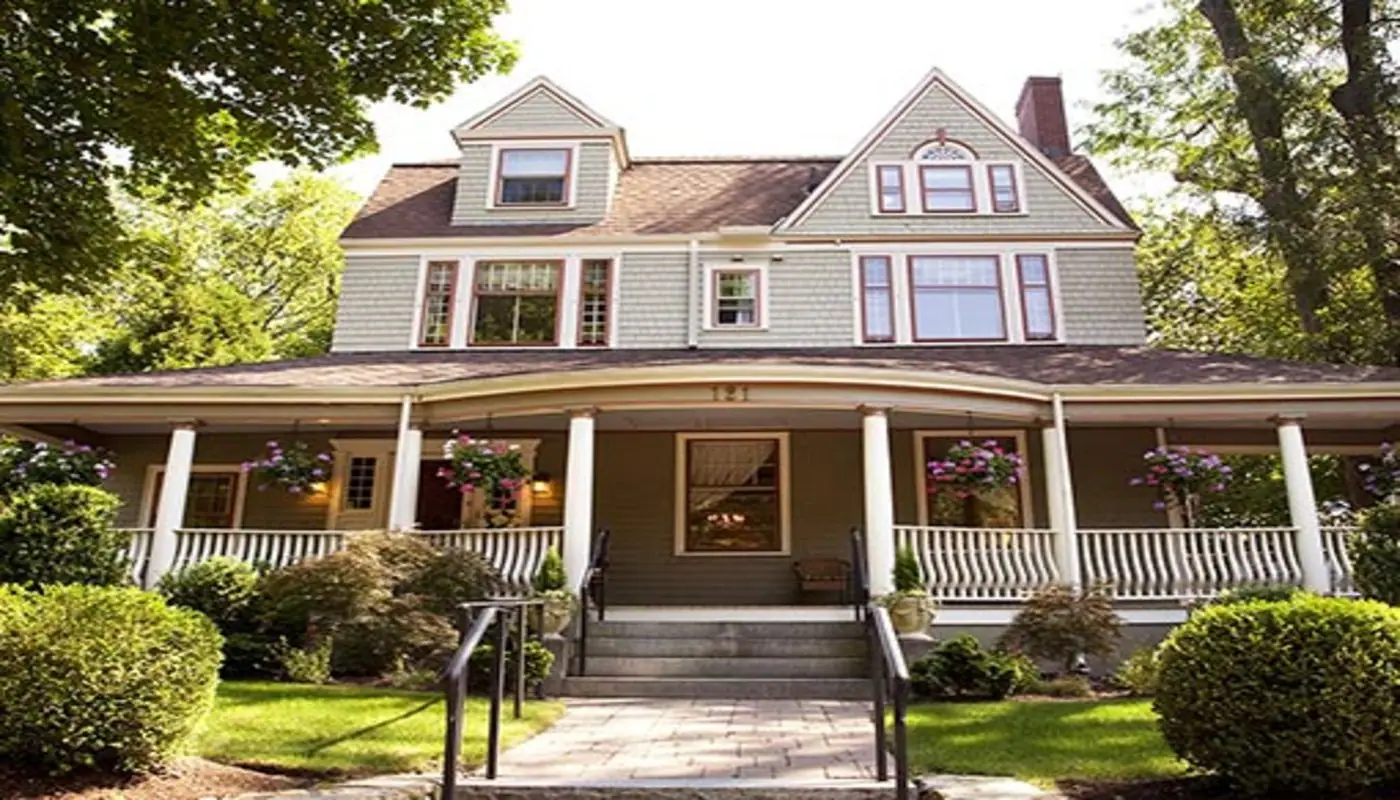
Medford, MA
Monte Nido Laurel Hill
4.1/517 Google reviews
- Residential Rehab
Residential treatment at Monte Nido Laurel Hill Medford serves women with eating disorders alongside co-occurring substance use and mental health conditions.
- Joint Commission
- 7+ days program
- 6-15 beds
-
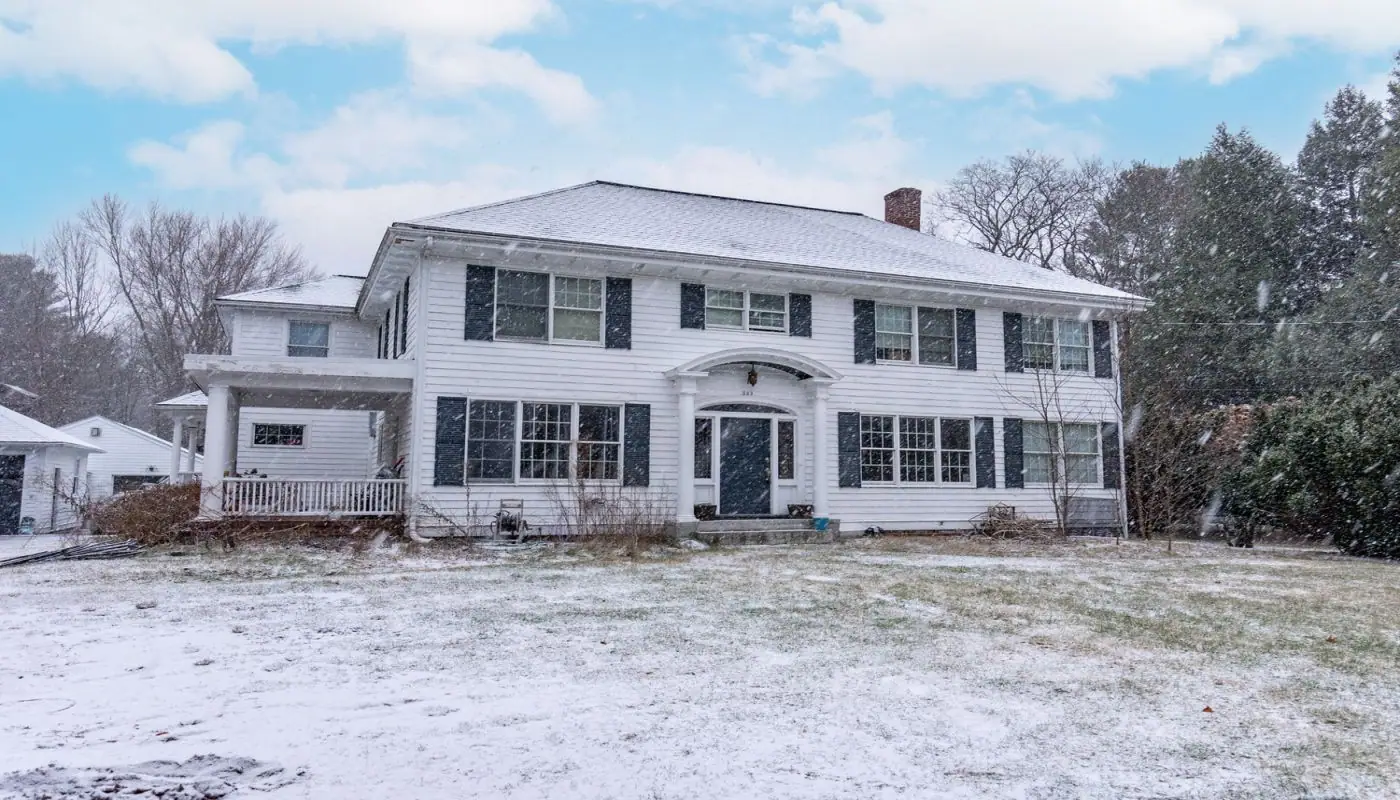
Waltham, MA
Evoke Wellness Waltham
4.7/545 Google reviews
- Outpatient
Evoke Wellness Waltham is an outpatient center on Main Street.
- Joint Commission
- 45 days program
- 16-30 beds
-
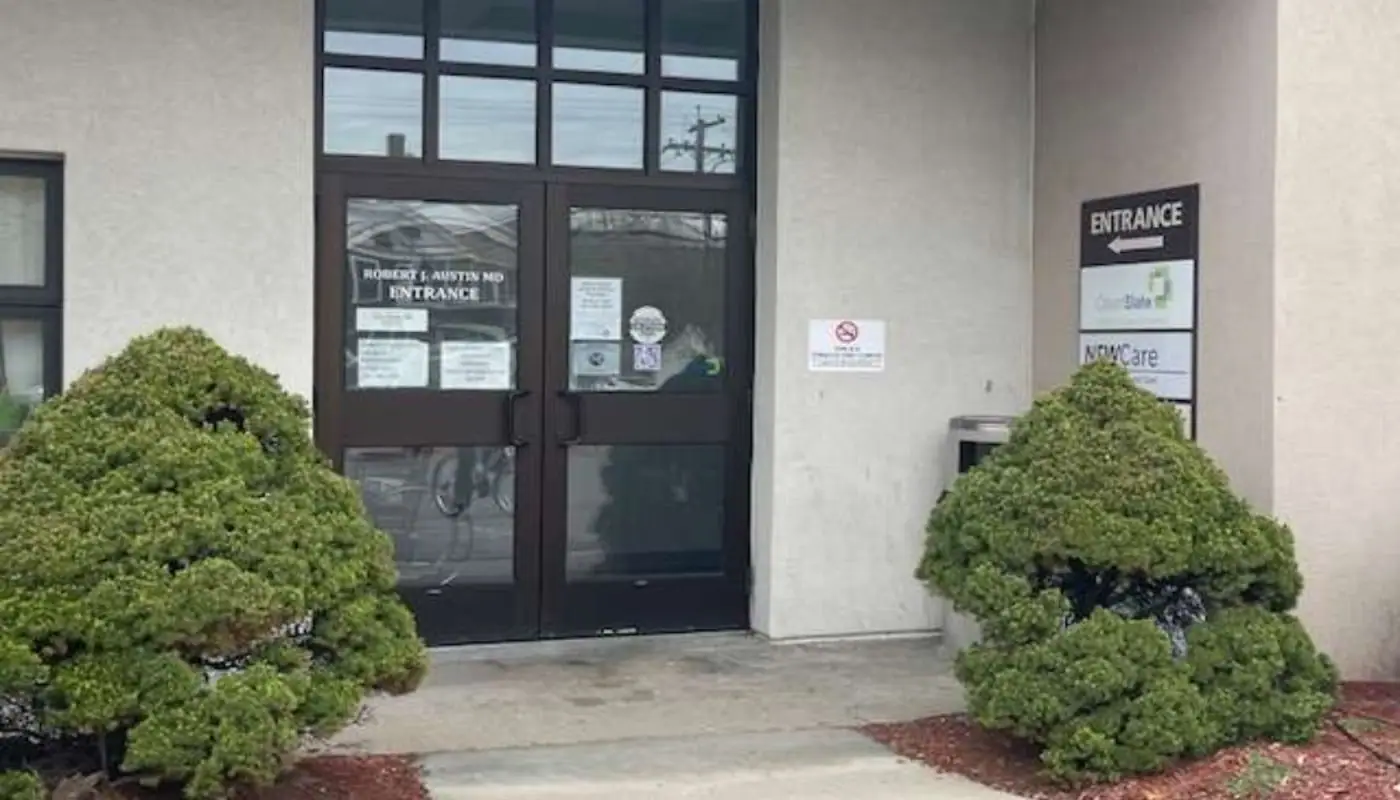
Athol, MA
CleanSlate Centers Athol
4.2/519 Google reviews
- Outpatient
Cleanslate Centers Athol provides outpatient treatment for alcohol and opioid use disorders.
- 30+ days program

What the helpline does when you call
Trained advisors who coordinate with licensed providers answer the helpline around the clock. A call costs nothing, stays private, and commits a person to nothing. Advisors are not clinicians and do not diagnose. They ask which substance is involved, how recently the person drank or used, what insurance or payment they have, and whether a specific city or region matters. Then they lay out options that fit those answers.
Calling the Massachusetts alcohol rehab helpline is free and confidential, and callers can stop at any point. A first call often takes only a few minutes. Advisors can explain the difference between detox and rehab, describe what a residential program involves and note which facilities report accepting MassHealth or a sliding fee. They cannot promise admission, coverage or a particular outcome, and no one is pushed into anything. If the situation sounds urgent, a caller may be directed to emergency care or to 988 for the Suicide and Crisis Lifeline.

Alcohol rehab centers across the state
The listings cluster in the larger cities, with 26 facilities in Worcester, 11 in Fall River, 10 each in Boston, Jamaica Plain, Lowell and Springfield, and 9 each in Pittsfield and New Bedford. The rest are spread through smaller towns, which means travel is sometimes part of the plan. Someone in a rural part of the state may find that the nearest residential program is a drive away, while outpatient rehab is usually closer to home. Telehealth widens the map further: 274 facilities report offering it, so some counseling and follow-up can happen remotely. Alcohol rehabs in Massachusetts include 85 residential programs, so living arrangements vary by region. If someone needs to stay near family or keep a job, then an outpatient program near home with telehealth backup may fit better than a distant residential stay. Location also affects how often family can visit, which matters for people who rely on that support.





Levels of care in alcohol rehab
Massachusetts alcohol rehab spans five main levels of care, and the SAMHSA listings show 53 facilities offering medical detox, 85 offering inpatient or residential rehab, 69 offering partial hospitalization, 79 offering intensive outpatient programs and 235 offering outpatient rehab. Many facilities appear under more than one level, so the counts overlap rather than add up. Some people need withdrawal management before anything else; others start in an outpatient program and stay in their own homes.
Alcohol rehab in Massachusetts spans 235 outpatient sites and 53 detox programs statewide. Often the first question is whether a person requires supervised withdrawal, a residential setting or just a few appointments weekly. Inpatient and residential care provide structure plus overnight support, whereas outpatient and intensive outpatient programs fit people whose housing and daily routines are stable. Calling the helpline can shorten the list to options matching what someone genuinely requires.
Comparing detox and rehab centers in Massachusetts helps families choose a realistic level of care. Detox is usually short and focused on withdrawal safety; rehab follows with counseling and ongoing support. Outpatient rehab is the most common option, with a wide spread of locations. Because the listings are large, filtering by level of care first tends to make the search manageable.
Covering the cost of alcohol rehab
Cost is often the first question, and the payment numbers break down this way: 304 facilities accept Medicaid, 286 take private insurance, 253 accept state insurance plans, 242 accept Medicare and 275 take self-pay. Smaller figures cover the rest: 79 facilities report a sliding fee scale and 67 offer financial assistance. Only a few listings show no fee at all.
Of the facilities listed, 304 take MassHealth, the state Medicaid program. A KFF status table dated October 16, 2026 shows that Massachusetts adopted Medicaid expansion, so more adults qualify here than in states that never did. Under federal parity law, most insurance plans generally must cover treatment for substance use disorder on terms comparable to other medical care. If a plan refuses, requesting the denial in writing gives a person something to appeal.
Lower-cost and free options do exist, and 157 facilities receive block grant funding for treatment. A sliding fee scale ties what you pay to your income, and a facility that uses one can often give a range before anyone signs anything. Without insurance, calling the helpline first can save hours of separate calls; advisors coordinate with licensed providers and can say which programs report sliding fees or financial help. The call costs nothing, stays private, and nobody has to enter treatment.
- Medicaid accepted
- 304
- private insurance taken
- 286
- Medicare accepted
- 242
- sliding fee offered
- 79