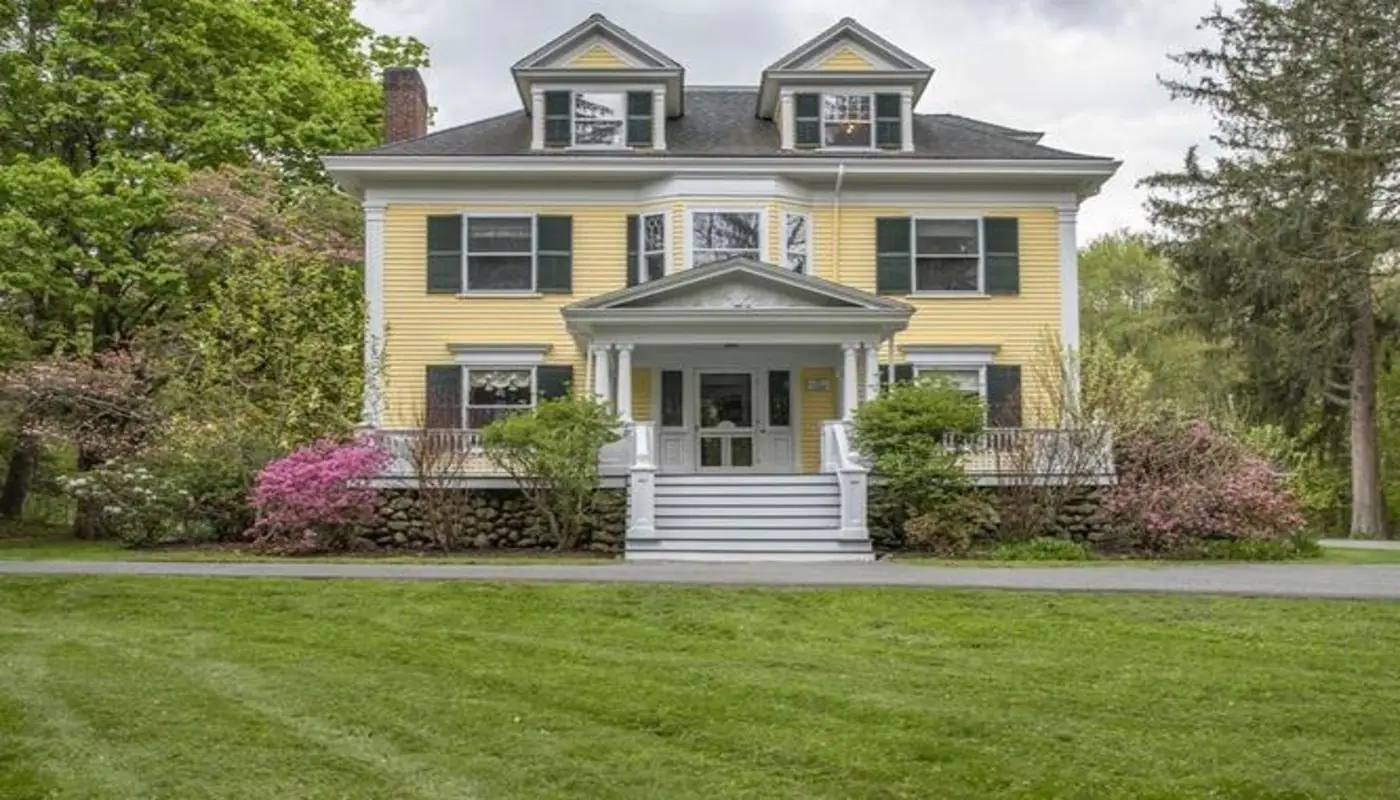
Massachusetts Center for Addiction Quincy
Massachusetts Center for Addiction in Quincy runs outpatient care on Hancock Street. It is among 326 facilities listed for Massachusetts as of November 2026 on SAMHSA FindTreatment.gov. This page explains what the center offers and how to check it.
- Joint Commission
- Outpatient
- 90 days
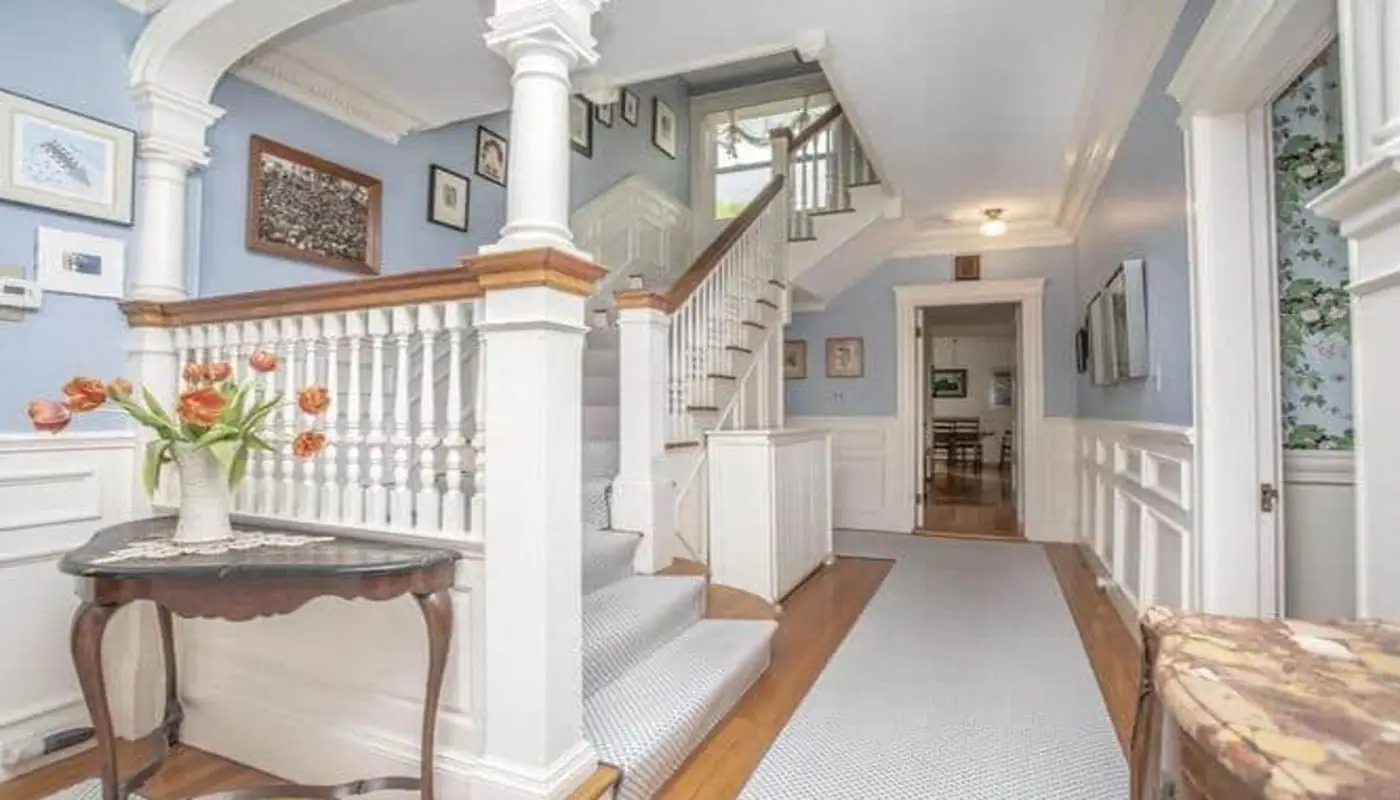
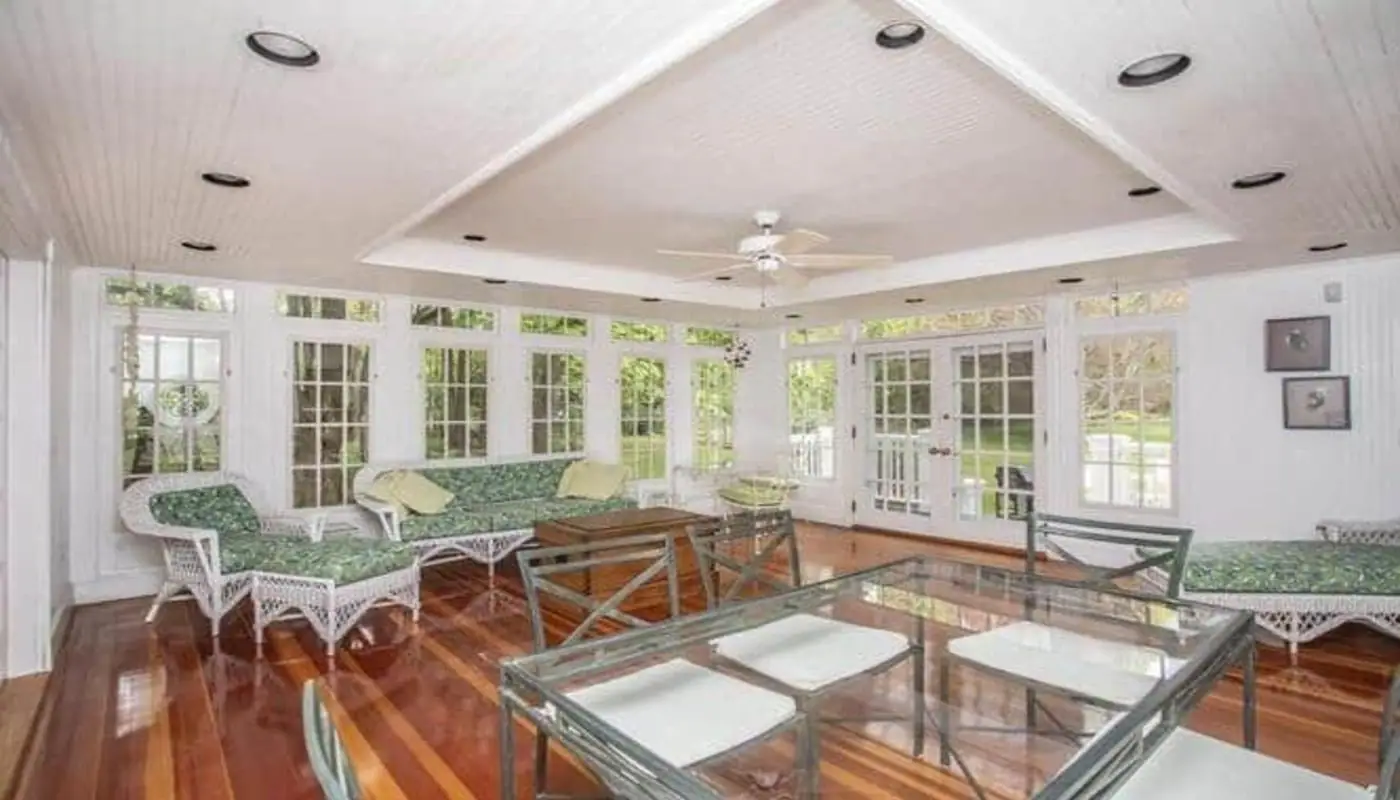
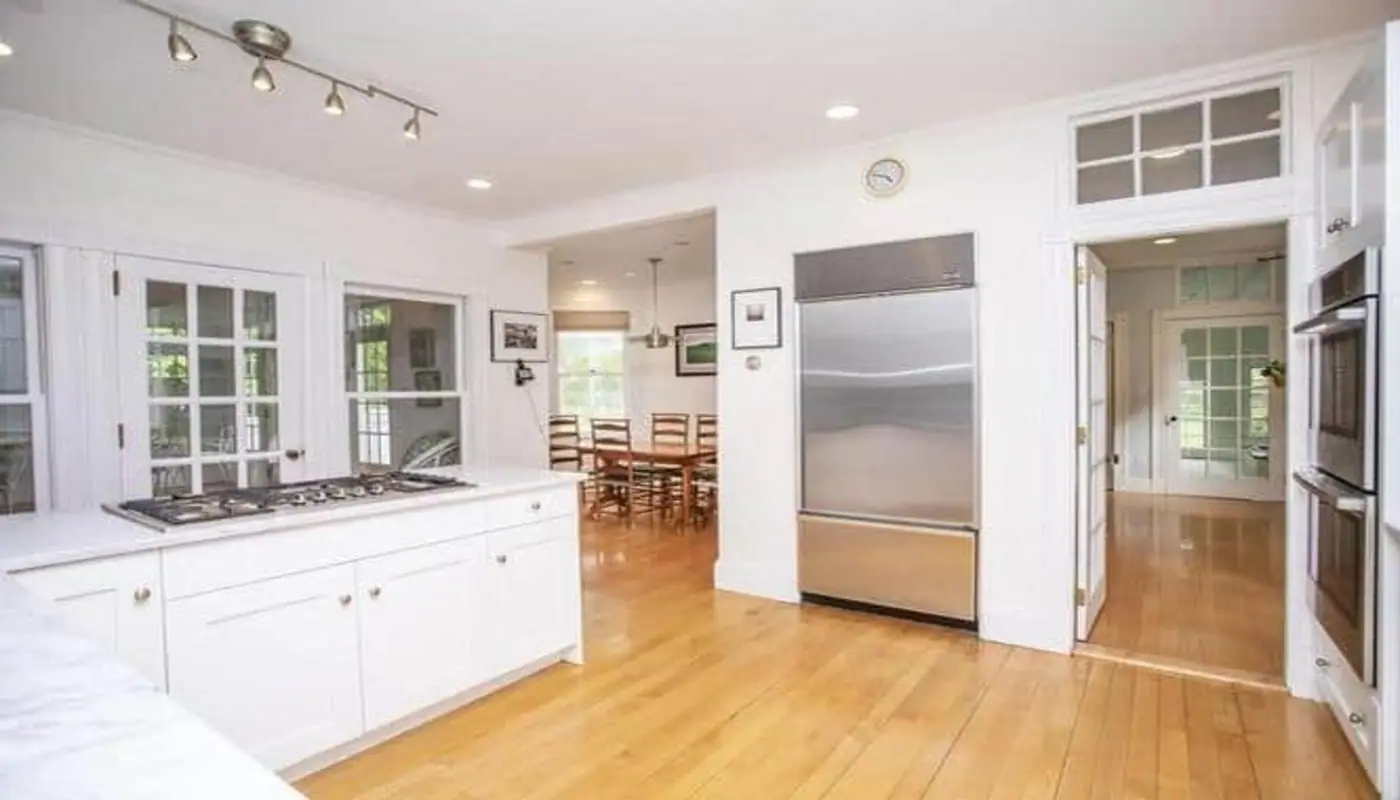
This is a smaller outpatient practice rather than a residential building with beds to fill. Staff assess each person's drinking, drug use and mental health at the start, then write a plan that names the specific problems to work on and the strengths the person already brings.
The program began in 2023 and carries Joint Commission accreditation. Talk-based therapy anchors the care, in individual, group, and family formats, with holistic practices like yoga, meditation, and acupuncture available alongside. Services are provided in English.
Substance use and mental health conditions are handled together at this center, so a person dealing with heavy drinking and depression gets evaluated for both at once instead of separately. When it is unclear if an outpatient schedule suits your circumstances, the helpline can help you weigh options without any charge.
Programs offered at this Quincy center
The center identifies outpatient care as its level of care, with day treatment and intensive outpatient tracks that differ in hours per week. Day treatment runs six-hour weekday sessions, while the intensive outpatient program meets three to five days weekly for about three and a half hours, with daytime or evening times available. Day treatment and intensive outpatient tracks at this Massachusetts center for addiction in Quincy differ mainly in weekly hours. General outpatient and sober living support are also described.
Therapy approaches include one-on-one counseling, online therapy, art and acupuncture, animal-assisted work, aromatherapy, mindfulness and meditation, attachment-based family therapy and trauma-specific counseling. The program describes itself as evidence-based, trauma informed, holistic and twelve step friendly, with family involvement built in. Trauma informed counseling and family involvement are listed among this Quincy program's core approaches. Couples and family sessions are available for people who want a partner or relative involved. If your drinking has caused withdrawal symptoms before, a clinician should assess you before any outpatient start, because alcohol withdrawal can become dangerous without medical monitoring.
- Twelve Step
- Holistic
- Animal Therapy
- Trauma-Specific Therapy
- Individual Treatment
- Family Involvement
- Art Therapy
- Meditation & Mindfulness
- Evidence-Based
- Trauma Informed
Who this Quincy program is built for
- Adults with alcohol use disorder, including people who have relapsed more than once and want structured outpatient care.
- People with co-occurring conditions, such as anxiety, depression, bipolar disorder, OCD, PTSD, ADHD, grief, or personality disorders.
- Couples, executives, LGBTQ+ adults, men, women, midlife adults, young adults and people with mild disabilities.
- People who need benzodiazepine, cocaine, heroin, ecstasy or psychedelic-related treatment alongside alcohol concerns.
- Family members who want to take part in sessions rather than wait outside the process.
Setting, size and schedule in Quincy
The center describes capacity for roughly 16 to 30 people at a time, with a typical program length of about 90 days. Amenities listed include air-conditioned rooms, en suite bathrooms, desks, internet access, housekeeping and laundry-style conveniences such as an iron and hair dryer, which suggests day-treatment comfort rather than overnight lodging. Activities include beach walks and fitness, swimming, tennis, hiking, yoga, games and on-site AA or NA meetings. Beach walks, yoga and on-site support meetings are listed activities at this Massachusetts center for addiction in Quincy.
Coverage and costs at this center
This center features self-pay pricing, and this page does not confirm insurance. MassHealth, the state Medicaid program, covers some substance use treatment, but whether a particular program is in network is something you have to confirm. If insurance is part of your plan, call both the center and your insurer before you schedule, so you will know what you owe. The helpline can go over coverage questions with you at no cost and in private, and what you do with the answer is up to you.
What to ask before signing up in Quincy
- Which track fits my assessment, day treatment or intensive outpatient, and how many hours per week does every involve?
- How is the 90-day program length decided, and what happens if I need more or less time?
- Is my insurance accepted here, and what will I owe after it pays?
- How does the center handle withdrawal risk if I have stopped drinking before and felt ill?
- What aftercare is arranged at discharge, including recovery coaching, medication assistance and support meetings?


Other centers for comparison
-
Lowell, MA
Riverbend Zack's House
4.5/561 Google reviews
- Sober Living
- Co-Occurring Mental Health
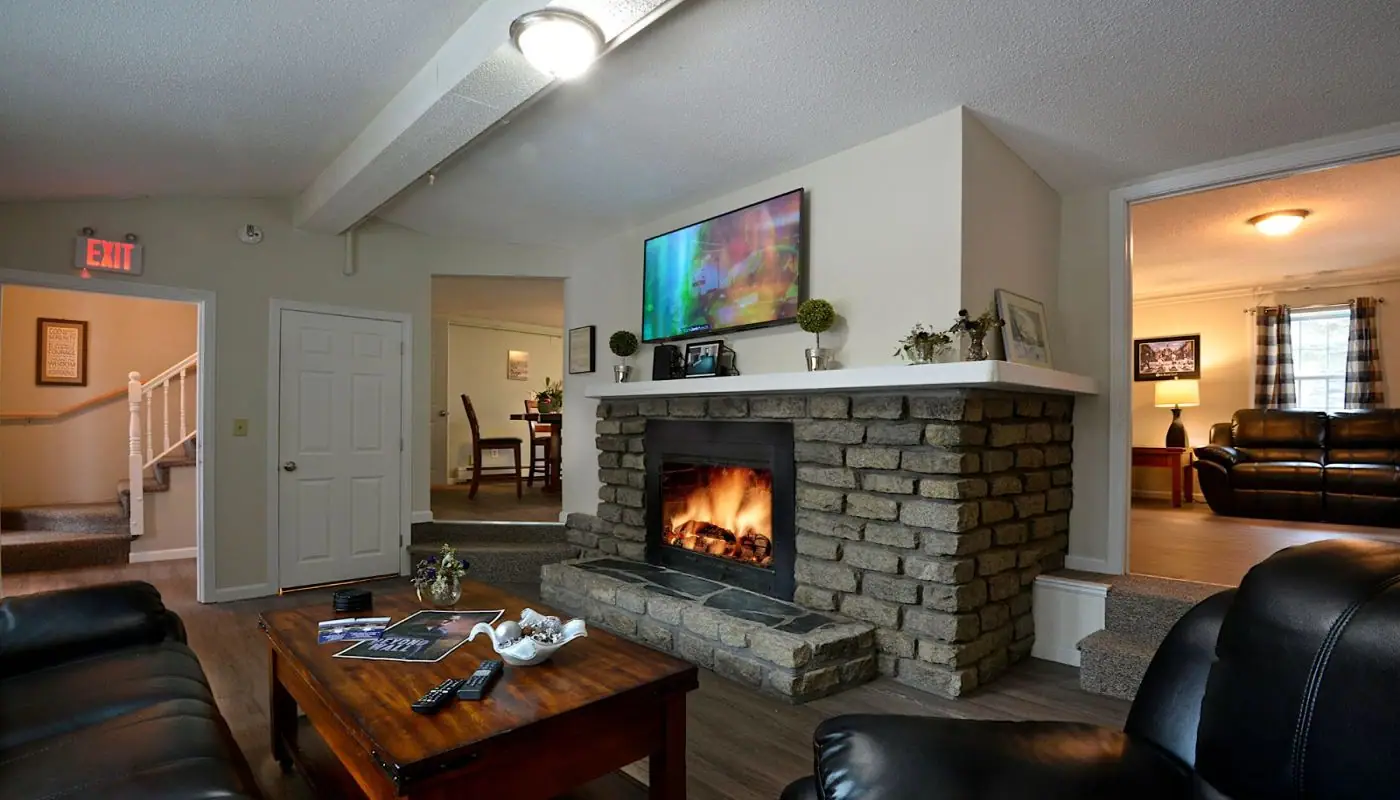
Riverbend Zack's House Lowell is sober living for men ages 18 to 35 in Massachusetts.
- 30 days program
- 6-15 beds
-
Watertown, MA
Wayfinder Behavioral Health
- Co-Occurring Mental Health
- Outpatient
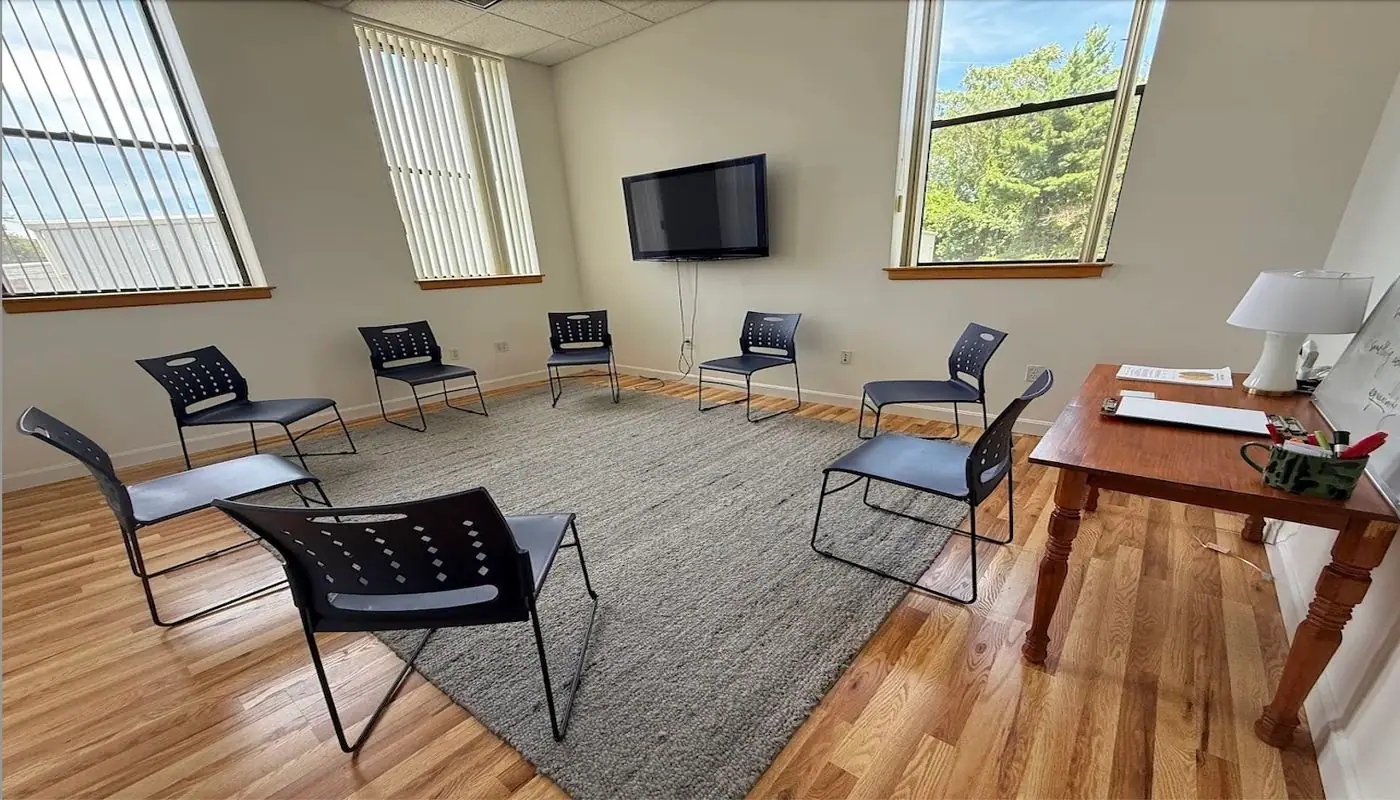
Wayfinder Behavioral Health Watertown is an outpatient center at 440 Arsenal St.
- Joint Commission
- 30 days program
-
Concord, MA
Pyramid Boston Metro Detox and
2.4/511 Google reviews
- Detox
- Co-Occurring Mental Health
- Residential Rehab
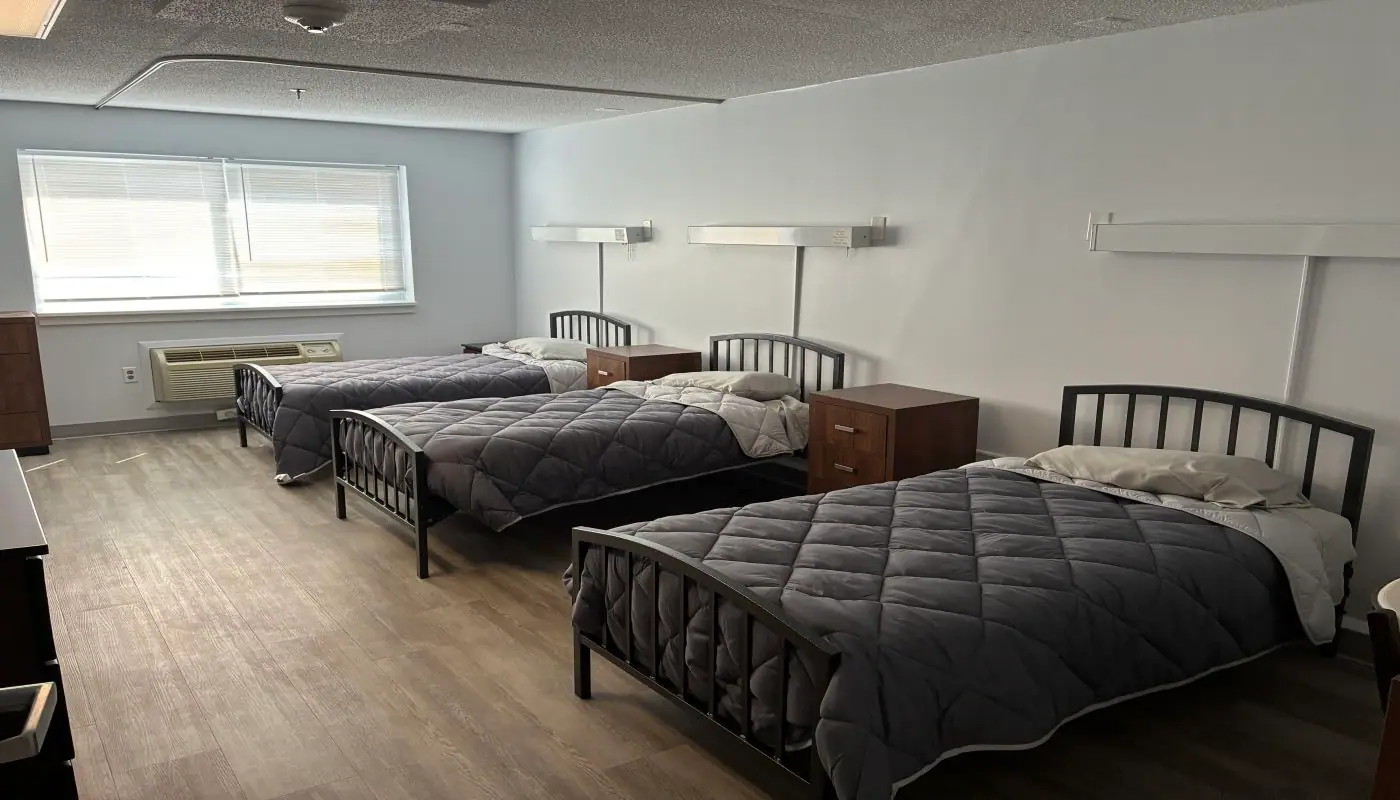
Pyramid Boston Metro Detox and Residential serves adults needing withdrawal support and residential care.
- 90 days program
-
Medford, MA
Monte Nido Laurel Hill
4.1/517 Google reviews
- Residential Rehab
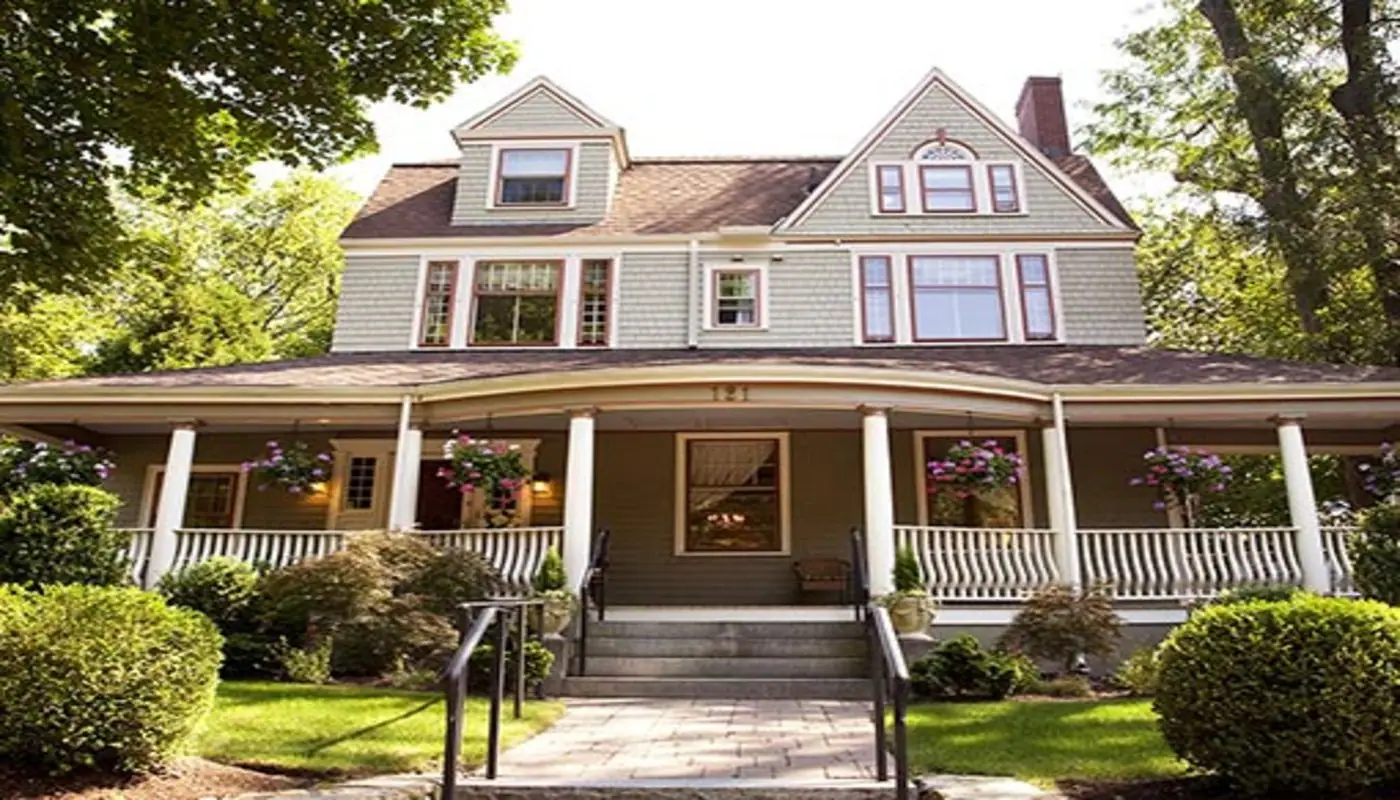
Residential treatment at Monte Nido Laurel Hill Medford serves women with eating disorders alongside co-occurring substance use and mental health conditions.
- Joint Commission
- 7+ days program
- 6-15 beds
-
Waltham, MA
Evoke Wellness Waltham
4.7/545 Google reviews
- Outpatient
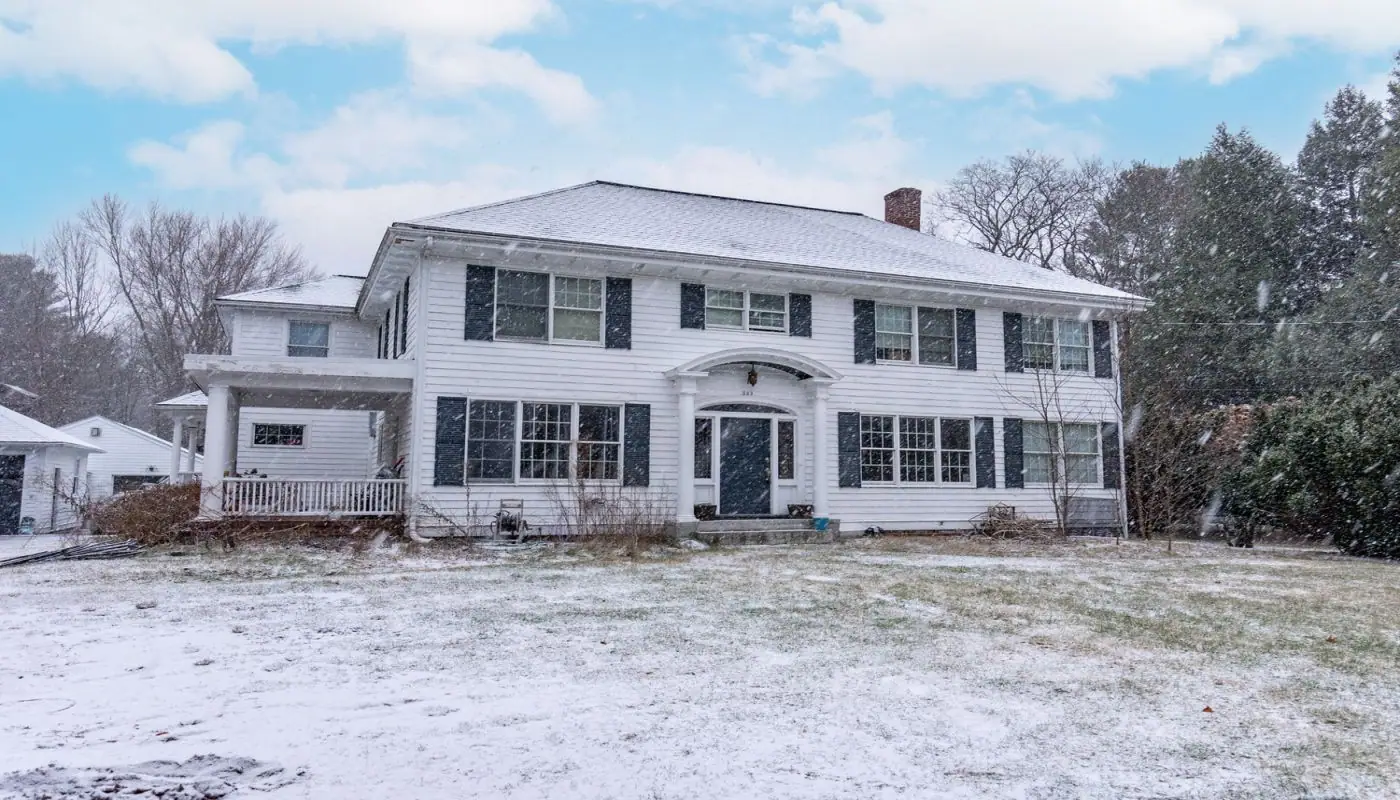
Evoke Wellness Waltham is an outpatient center on Main Street.
- Joint Commission
- 45 days program
- 16-30 beds
-
Athol, MA
CleanSlate Centers Athol
4.2/519 Google reviews
- Outpatient
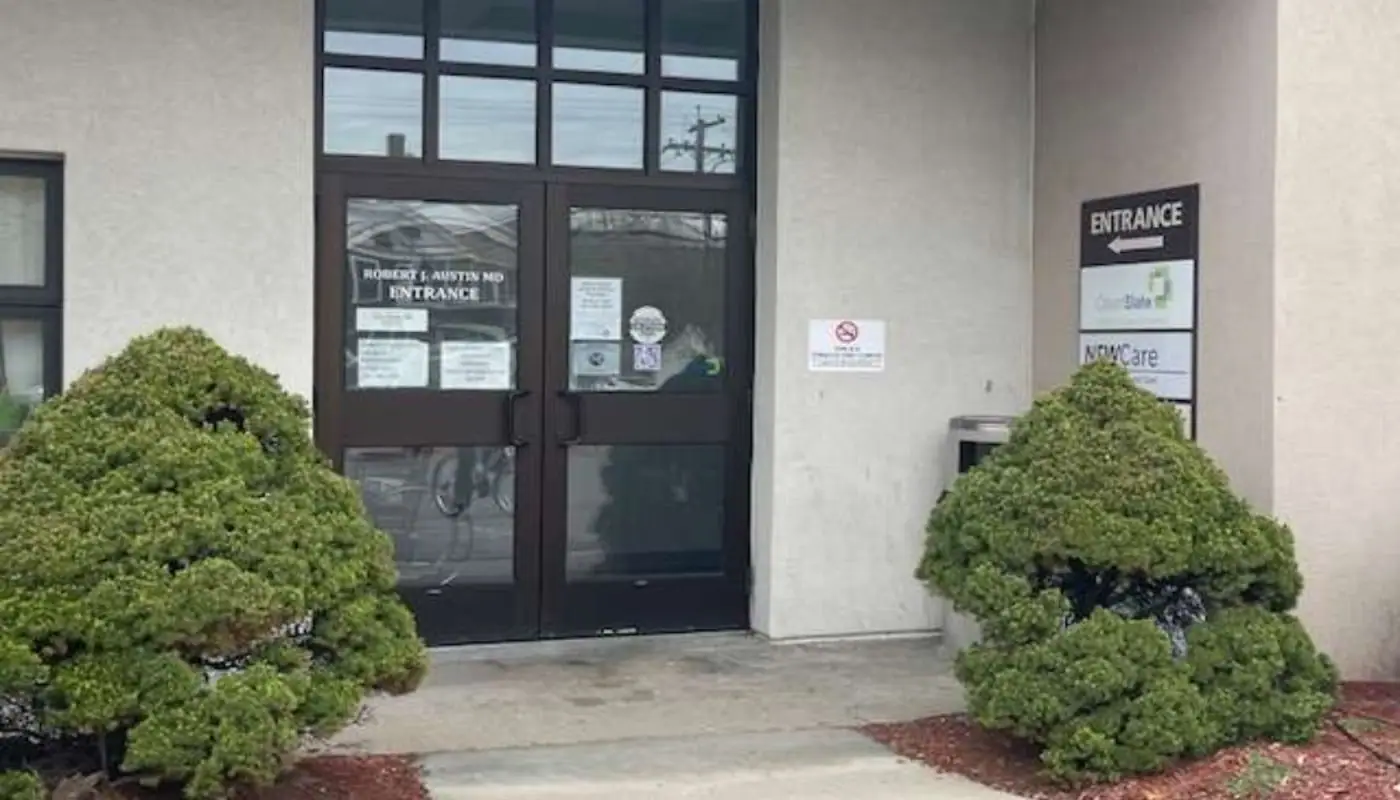
Cleanslate Centers Athol provides outpatient treatment for alcohol and opioid use disorders.
- 30+ days program

Good to know
How do detox and rehab differ at a Massachusetts center for addiction in Quincy?
Detox is the short medical period in which a substance clears from the body; rehab is the counseling and skill-building that follows. The Quincy center lists outpatient care and not detox, so someone who needs withdrawal management would be referred to another provider first. SAMHSA FindTreatment.gov in November 2026 provides 326 facilities statewide, and several offer detox.
Does MassHealth cover outpatient rehab in Massachusetts?
MassHealth, the state Medicaid program, pays for some substance use treatment, though coverage depends on the service and on whether the provider is in network. This center features self-pay pricing, so ask directly about insurance before you schedule. Check benefits with the center and with MassHealth so you know what your share of the cost will be.
How long can someone stay in outpatient treatment at this Quincy program?
The center describes a typical program length of about 90 days, with day treatment or intensive outpatient sessions scheduled across that period. Some people step down to general outpatient care or sober living support before finishing. Because the plan is built from an assessment, the actual length can differ from person to person.
What is BSAS in Massachusetts, and does it matter here?
BSAS is the state Bureau of Substance Addiction Services, which licenses and funds many treatment programs across Massachusetts. It is separate from this center, which holds Joint Commission accreditation and opened in 2023. If you are comparing programs, ask whether a facility is BSAS licensed as one way to check its standing before you commit.
What are the intensive outpatient programs available in Massachusetts?
Intensive outpatient programs in Massachusetts commonly meet several days weekly, a few hours each session, and the Quincy center lists one running three to five days a week for roughly three and a half hours. Day treatment is more intensive, with six-hour sessions on weekdays. Statewide, SAMHSA FindTreatment.gov lists 326 facilities as of November 2026, and the levels of care they offer vary.
Seeing if this center has openings
If you want to know whether the Massachusetts Center for Addiction has room in its next outpatient group, the helpline can ask on your behalf. Trained staff take calls around the clock and connect callers with licensed treatment providers; the call costs nothing, stays private, and puts you under no obligation to enroll anywhere. Questions about insurance and what to bring to an assessment are fine to ask as well. Admission or any particular result cannot be promised, but you can finish the call with a clear next step.